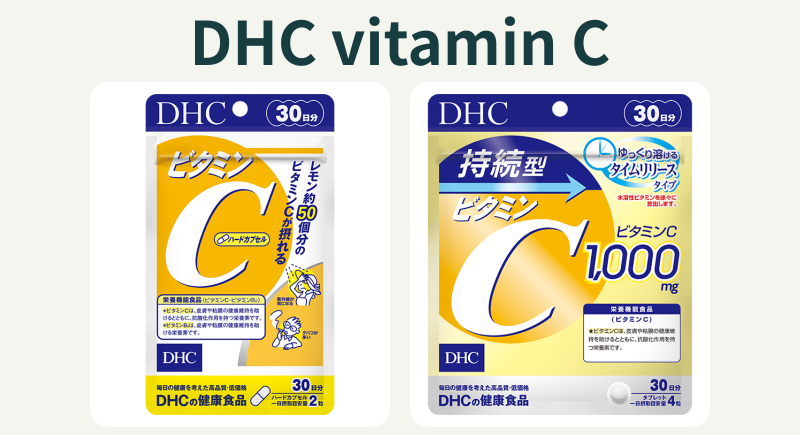

I’m Irene, a Taiwanese pharmacist working in Japan. These yellow DHC bags are easy to mix up. Before you choose a larger bag or switch products, check the daily serving: remembering the old product’s capsule count can lead you astray.
The short answer: DHC’s sustained-release vitamin C has a suggested daily serving of 4 tablets; its regular hard-capsule vitamin C has a serving of 2 capsules. Each daily serving supplies 1,000 mg vitamin C. The regular version also contains 2 mg vitamin B2. Choose by formulation, pill size and a serving you can keep track of, rather than assuming “sustained release” guarantees better results.
This guide covers the Japanese products named 持続型ビタミンC and ビタミンC(ハードカプセル). Both are food supplements, not medicines. Their labelled amount is not a recommendation that everyone needs an extra 1,000 mg every day.
Match the bag before checking the price
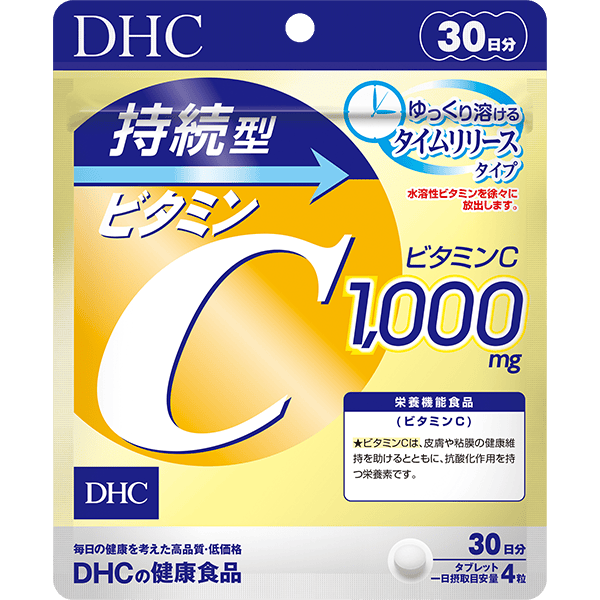
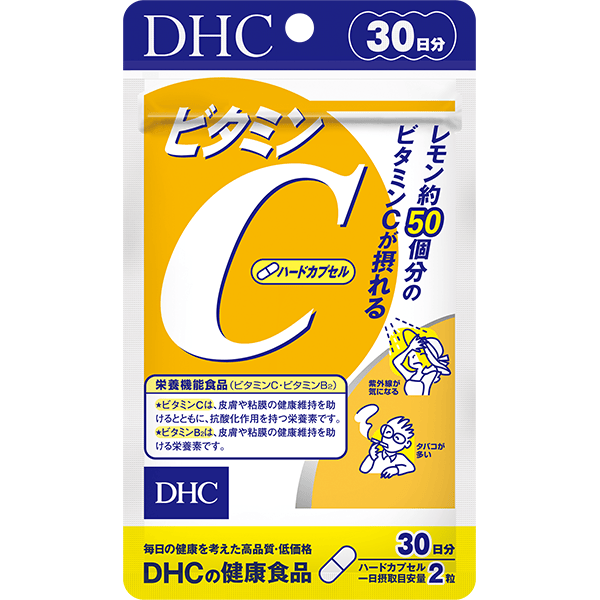
The yellow colour and large C are not enough to identify the product. Check the full name, daily serving and total count. “30日分”, for example, means a 30-day supply at that product’s suggested serving, not 30 pills.
Why four tablets versus two capsules?
| Feature | Sustained-release vitamin C | Regular hard-capsule vitamin C |
|---|---|---|
| Daily serving | 4 tablets | 2 capsules |
| Nutrients per daily serving | Vitamin C 1,000 mg | Vitamin C 1,000 mg; B2 2 mg |
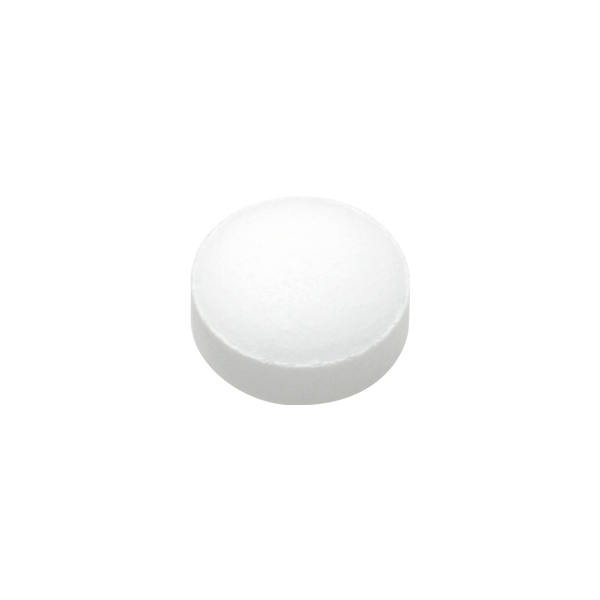
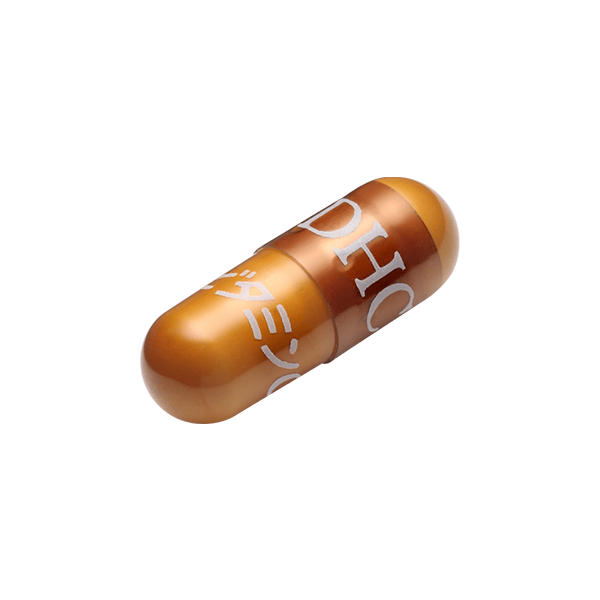
| Form and approximate size | White tablet: 9.0 mm diameter, 5.3 mm thick | Hard capsule: 19.4 mm long, 6.7 mm wide |
| Formulation | Designed to release gradually | Regular capsule with added B2 |
| Japanese food category | Food with nutrient function claims: vitamin C | Food with nutrient function claims: vitamins C and B2 |
The 1,000 mg refers to the whole daily serving, not each pill. Four tablets are not automatically stronger than two capsules. The regular product means fewer pills per day; the sustained-release tablet is individually smaller. Ease of swallowing is personal.
What does sustained release actually tell you?
DHC describes a formulation using hydroxypropyl methylcellulose (HPMC) to slow release. That description does not establish a guaranteed percentage increase in human absorption or prove better clinical outcomes. It is not a promise of lighter skin, relief from fatigue or prevention of infection.
Both products carry Japanese nutrient function claims. Vitamin C supports skin and mucous-membrane health and has an antioxidant role; B2 supports skin and mucous-membrane health. This food category does not mean each product has been individually reviewed by Japan’s Consumer Affairs Agency for therapeutic efficacy. If symptoms prompted the purchase, finding their cause matters more than choosing between these bags.
When to take them
- Regular capsules: DHC recommends dividing the serving, for example between morning and evening. The daily total is still two capsules.
- Sustained release: DHC’s series FAQ also recommends divided servings. Four tablets is the daily total, not the amount to repeat each time.
- Use water or lukewarm water. DHC’s series FAQ suggests enough liquid, about a glass, preferably water or lukewarm water. Do not chew the sustained-release tablets. If swallowing is difficult, ask a pharmacist rather than crushing them yourself.
DHC’s general supplement guide suggests after meals, while explaining that these foods do not have the fixed dosing times of medicines. A regular meal can be a useful reminder. Do not change prescribed medicine times to fit a supplement; check compatibility first.
How long will the bag last?
- Sustained release: 120 tablets ÷ 4 daily = 30 days; 240 tablets = 60 days.
- Regular capsules: 40 = 20 days; 60 = 30 days; 120 = 60 days; 180 = 90 days.
These sizes appear in DHC’s Japanese catalogues. The current labels checked show the same daily vitamin C amount across these sizes within each product, with B2 2 mg in the regular version. A larger bag does not mean a more concentrated daily serving. Always check the bag you buy, especially across markets or after a packaging change.
My shopping tip: If buying for someone else, ask which version they already use and whether they take a multivitamin. A photo of the ingredients and daily-serving panel is more useful than a front-of-bag photo alone. Choosing one version also makes accidental duplication less likely.
Can you take both? When should you ask first?
Do not independently combine both full daily servings to “boost” the effect: that totals 2,000 mg vitamin C before other supplements are counted. Water-soluble does not mean unlimited. Bring a list of your supplements and fortified drinks to a pharmacist to check for overlap.
- DHC’s precautions: Consult a doctor before use if taking medicines, receiving medical care or pregnant. Check the ingredients before use. Do not take a product containing an ingredient you are allergic to; the regular capsules contain gelatin. Stop if you notice an adverse change and seek medical advice.
- Individual advice: Discuss kidney disease, a history of kidney stones or breastfeeding with your doctor or pharmacist. This is a prompt for personal assessment, not a claim that DHC lists all these situations as formal contraindications.
- For children: Do not apply or simply halve the labelled serving. The product information reviewed does not give a child-specific serving to use here. Ask a paediatric clinician or pharmacist. “18 and over” in the nutrition-reference footnote describes the reference values; it is not an eligibility age for the product.
Storage after opening
Keep away from sunlight, heat and humidity, and out of children’s reach. Close the opening securely after use and consume promptly after opening. Keep the original bag for the best-before date and label. A hot car or damp bathroom is a poor storage choice.
Frequently asked questions
Can I keep taking two a day after switching to sustained release?
Recheck the new bag: the sustained-release product here specifies four tablets daily, while the regular product specifies two capsules. Do not carry over the previous product’s instructions.
Does added B2 make the regular version the better choice?
Not for everyone. Consider your diet, existing supplements and preferred pill form rather than buying an extra product just because it contains another nutrient.
Are these interchangeable with vitamin C medicines?
No. These are foods. Do not use them to replace a medicine prescribed or recommended for a particular condition, or take extra to create a treatment dose.
Explore more Japanese pharmacy and shopping guides
Sources
Checked 10 October 2026 against DHC Japan’s official information (in Japanese), with general nutrient safety context from the US National Institutes of Health. Follow the label on your actual product.
- US National Institutes of Health: vitamin C, excess intake and renal considerations
- DHC sustained-release vitamin C: 30-day product and precautions
- DHC regular vitamin C hard capsules: 30-day product and precautions
- DHC sustained-release vitamin C: Japanese retail sizes and food labelling
- DHC regular vitamin C: Japanese retail sizes and food labelling
- DHC regular vitamin C: 90-day nutrition label
- DHC sustained-release series: formulation and divided-serving FAQ
- DHC supplement guide: timing