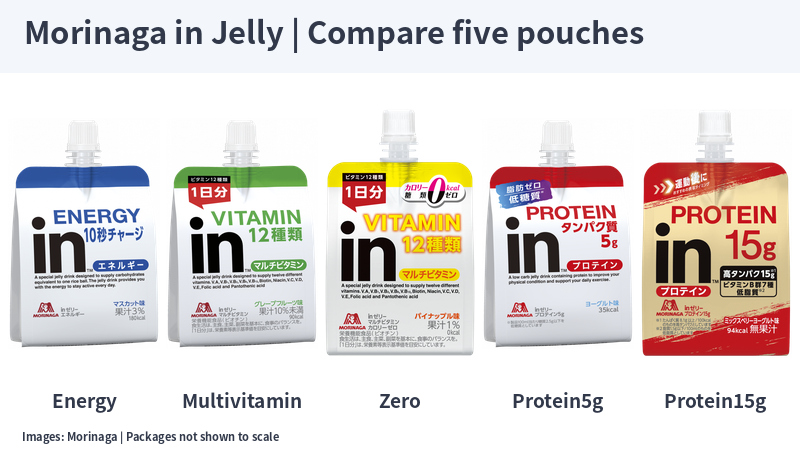
For food energy, look at the 180-kcal Energy pouch; for 12 vitamins, compare the 90-kcal and Zero versions; for protein, distinguish the 5 g and 15 g products. These are different formulas, not just different flavours. A zero-calorie pouch cannot replace the Energy version when calories are what you need.

I’m Irene, a Taiwan-born, Japan-licensed pharmacist working in a Japanese drugstore. Faced with a row of silver pouches while travelling, the useful first question is: “What am I trying to add?” This guide separates calories, vitamins and protein using current Japanese labels, rather than relying on packet colours.
Information checked on 13 October 2026. This selected comparison covers Japanese Morinaga in Jelly Energy, Multivitamin, Multivitamin Calorie Zero, Protein5g and Protein15g, each in a 180-g pouch. It is not an exhaustive list of every flavour or range.
- Choose the nutritional purpose before the flavour
- Match the name, calories and protein wording
- Compare one 180-g pouch, not a universal daily requirement
- Zero calories and zero sugars are not zero carbohydrate
- What does “one day’s worth of 12 vitamins” mean?
- Protein15g has changed: match the current pouch
- Carrying and eating a pouch while travelling
- Official sources
Choose the nutritional purpose before the flavour
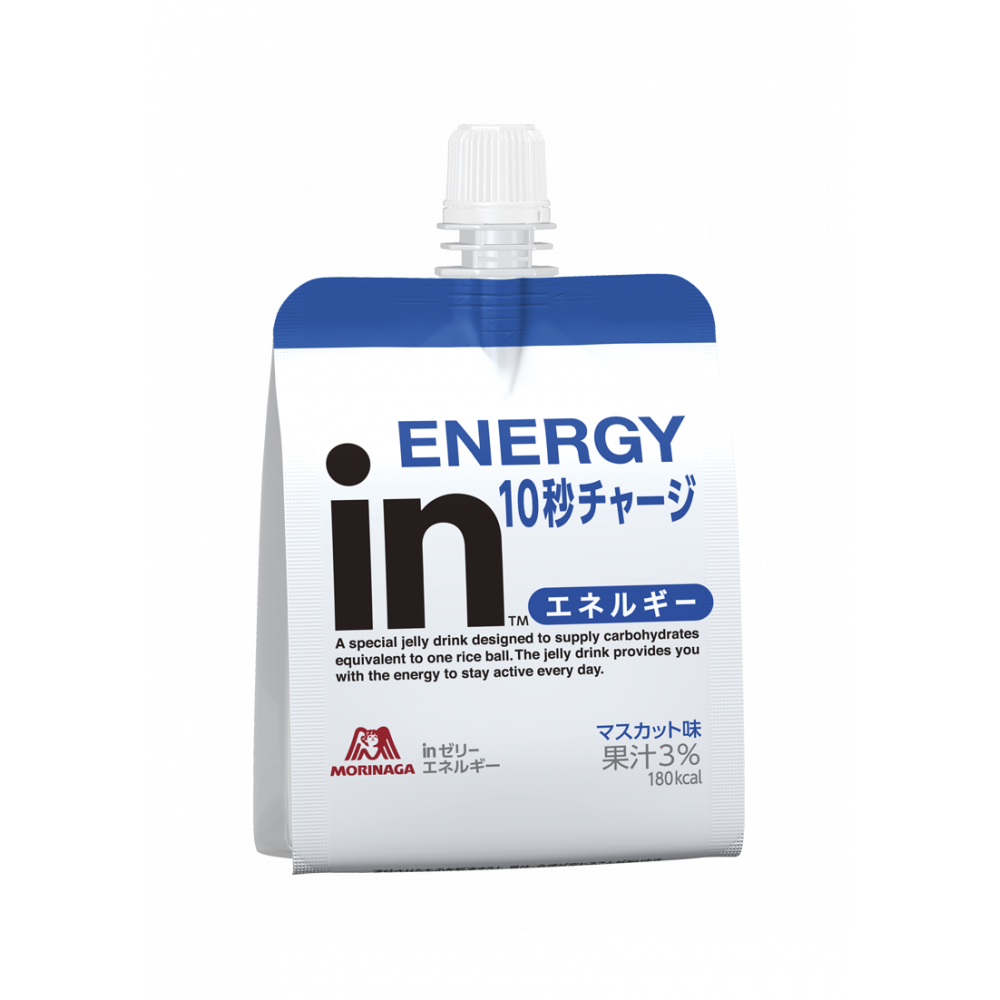
- Want portable food energy? Look at Energy. The muscat-grape pouch provides 180 kcal and 45.0 g carbohydrate, with protein labelled 0 g. It is not a high-protein option.
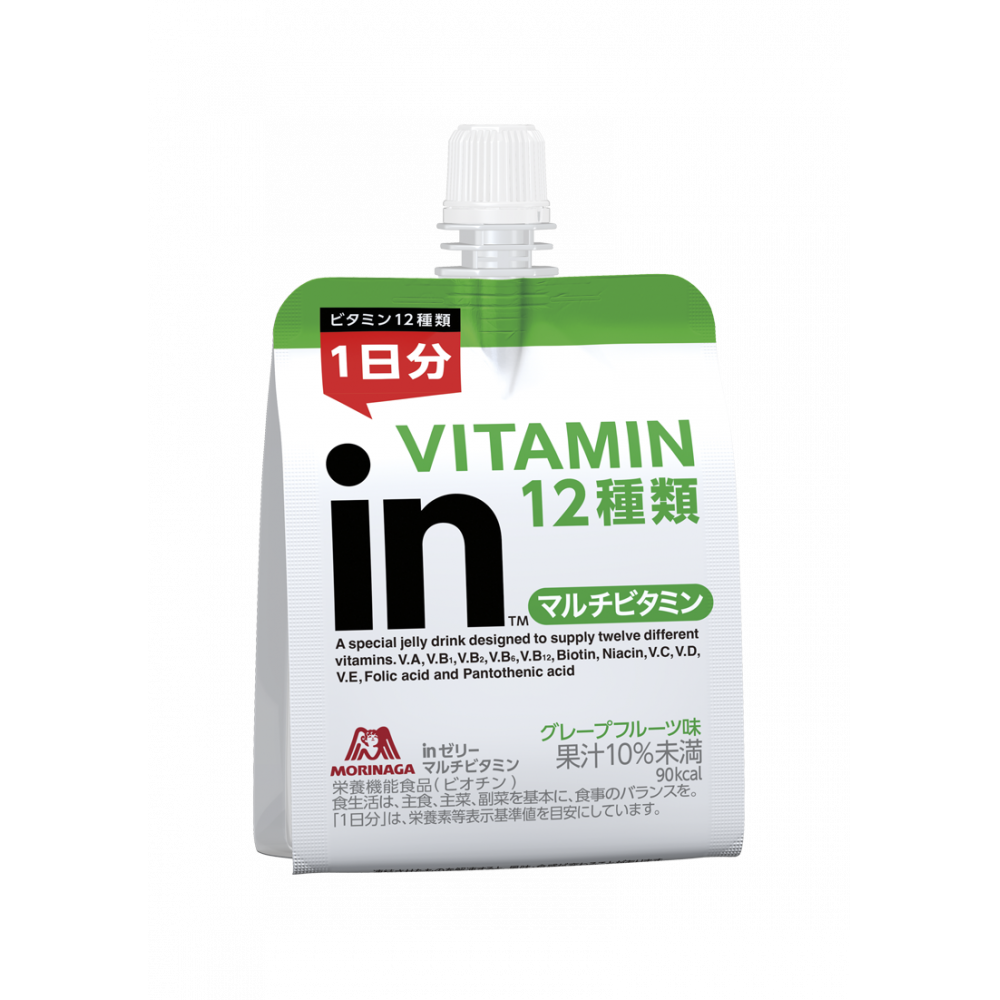
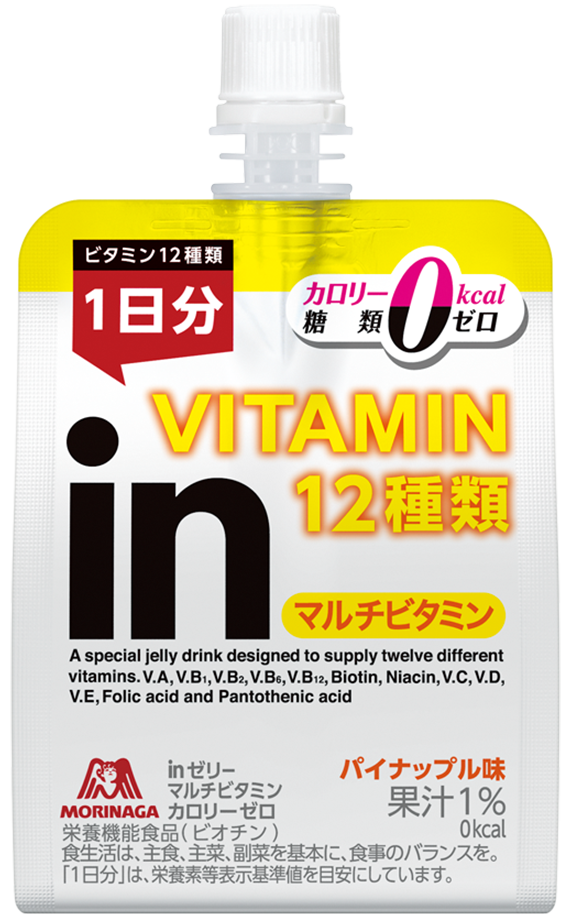
- Specifically want 12 vitamins? Compare the two vitamin pouches. Grapefruit Multivitamin has 90 kcal; pineapple Calorie Zero is labelled 0 kcal. Their listed vitamin amounts match. Both specify one pouch daily and say children should avoid them.
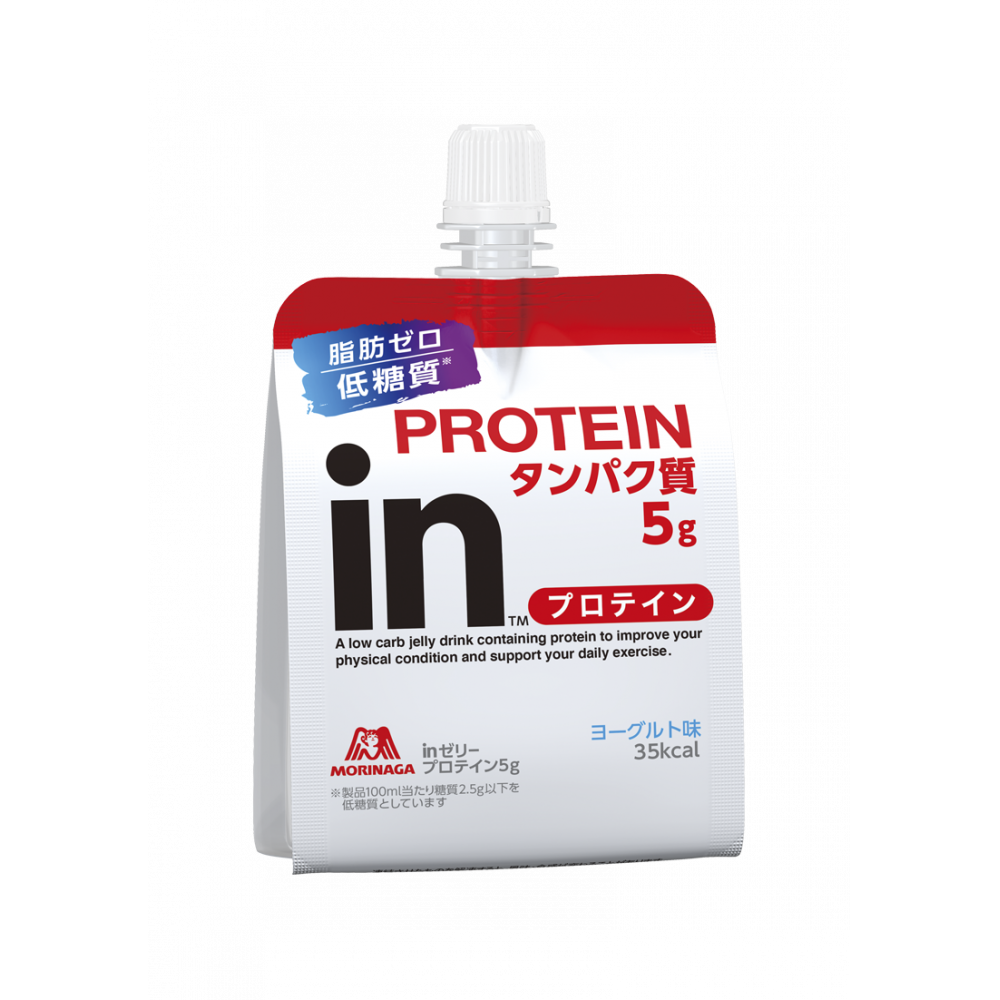
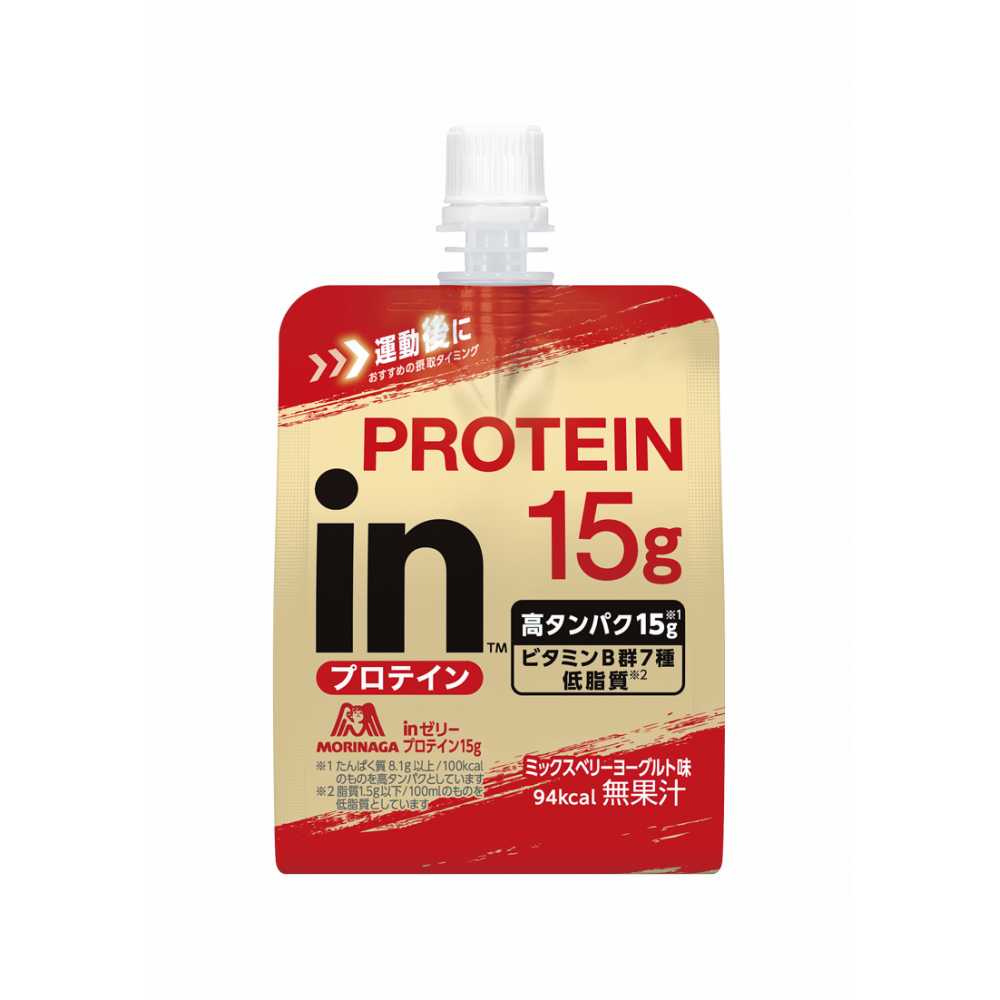
- Want protein in this snack? Compare Protein5g and Protein15g. The former provides 5.0 g protein and 35 kcal. The current Protein15g pouch lists 15.6 g protein and 94 kcal, and includes pork-derived collagen peptides. More protein is not automatically a better fit for everyone.
If your meals and snacks already meet your needs, you do not have to add a pouch. These are foods, not fatigue treatments, and a quick-to-consume product is not automatically a complete meal.
Match the name, calories and protein wording
Compare one 180-g pouch, not a universal daily requirement
All figures below are per 180-g pouch, not per 100 g. The two vitamin versions separately specify one pouch daily and child avoidance. Do not turn that into a fixed daily serving for the Energy or Protein products.
| Version | Calories per pouch | Protein per pouch | Carbohydrate per pouch | Manufacturer-listed allergens |
|---|---|---|---|---|
| Energy | 180 kcal | 0 g | 45.0 g | None among the listed items |
| Multivitamin | 90 kcal | 0 g | 22.5 g | None among the listed items |
| Multivitamin Calorie Zero | 0 kcal | 0 g | 11.9 g | None among the listed items |
| Protein5g | 35 kcal | 5.0 g | 3.5–5.5 g | Milk, soy |
| Protein15g | 94 kcal | 15.6 g | 4.4–7.8 g | Milk, soy, pork |
“None among the listed items” is not a guarantee against reacting to any ingredient. Morinaga notes that formulas can change, so check the packet you are buying and eating, especially with food allergies or dietary restrictions.
Zero calories and zero sugars are not zero carbohydrate
Calorie Zero lists 11.9 g carbohydrate per pouch, including 11.4 g in the Japanese label category 糖質, 0 g 糖類 (sugars), and 0.2–0.8 g fibre. Its ingredients include erythritol. 糖質 means carbohydrate excluding fibre in this labelling context; it is not the same category as sugars. Do not read “zero sugars” as “zero total carbohydrate”.
If calories are the purpose, Zero is not a substitute for Energy. If you are comparing vitamin formulas, the vitamin amounts match, so consider flavour, calories and sweeteners instead. Morinaga cautions that products with sweeteners such as erythritol or sucralose may cause loose stools in some people.
What does “one day’s worth of 12 vitamins” mean?
Multivitamin and Calorie Zero are Japanese Foods with Nutrient Function Claims for biotin, labelled 栄養機能食品(ビオチン). They are foods, not medicines or individually government-approved treatments. Biotin’s labelled nutritional function concerns maintaining healthy skin and mucous membranes, not treating skin conditions or fatigue.
The “one day” wording uses Japanese nutrient labelling reference values, not an assessment of your individual needs. These 12 vitamins exclude vitamin K, which the current nutrition panel lists as 0 µg.
The table shows the matching amounts in one 180-g pouch of either vitamin version. Both specify one pouch daily and say children should avoid them.
| Vitamin | Labelled amount per 180-g pouch |
|---|---|
| A | 770–1367 µg |
| B1 | 1.2–2.8 mg |
| B2 | 1.4 mg |
| B6 | 1.3 mg |
| B12 | 2.4–5.9 µg |
| C | 100–248 mg |
| D | 5.5–16.4 µg |
| E | 6.3 mg |
| Niacin | 13.0–25.2 mg |
| Pantothenic acid | 4.8–20.5 mg |
| Biotin | 50–118 µg |
| Folate | 240–786 µg |
Both vitamin versions warn against excess vitamin A during the first three months of pregnancy or when planning pregnancy, and say children should avoid them. Check overlapping A, D, folate and other nutrients in multivitamins, prenatal supplements and fortified foods. If you take medicines, ask a doctor or pharmacist to check the food label alongside your medicine list.
Protein15g has changed: match the current pouch
Protein5g includes whey protein; Protein15g contains whey plus pork collagen peptides. Current Protein15g is 180 g and 94 kcal, with 15.6 g protein on its nutrition panel, so do not substitute figures from earlier 150-g, 112-kcal protein pouches. Use the 15.6 g nutrition-panel figure for calculations rather than treating the “15g” product name as the exact amount.
The protein formulas also contain added vitamins; they are not “protein only”. For example, current Protein15g lists 67–850 µg folate per pouch. Check the full label if you already supplement folate or other vitamins. That range is a food-label amount, not a supplement dose for you to aim for.
Carrying and eating a pouch while travelling
- Check the full name, portion and allergens. Follow the one-pouch-per-day guidance for either vitamin version rather than adding one of each flavour.
- Stop somewhere suitable, twist off the cap and eat at a comfortable pace. “10 seconds” on the packet is not a deadline for swallowing it.
- Consume promptly after opening. If you know you will not finish it, first pour the portion into a clean container rather than drinking directly from the spout. Morinaga says to close and refrigerate the remainder and finish it that day.
Store unopened pouches away from direct sunlight and high temperatures as labelled, rather than leaving them in a hot car. Never microwave the pouch itself. Morinaga also notes that freezing and thawing can change flavour and texture; do not transfer instructions from a separately designed frozen range.
This guide does not assign a universal child serving or treat ordinary jelly drinks as specialist swallowing-support foods. If a medical condition requires limits on protein, sugars or other nutrients, follow your care team’s dietary advice.
My shortcut is to separate calories, vitamins and protein, then check the 180-g figures and product-specific cautions. Energy is not high protein, Zero does not supply the Energy pouch’s calories, and “a day’s vitamins” does not mean everyone needs an extra day’s worth. Match the purpose rather than collecting every colour.
Official sources
- Morinaga’s current ingredients and nutrition: Energy, Multivitamin, Calorie Zero, Protein5g, Protein15g
- Directions and nutrient-function labelling: official Multivitamin store page, official Zero brand page
- Morinaga FAQs: children and opened-pouch storage, pregnancy and vitamin A, heating precautions
- Morinaga: earlier 150-g protein-pouch specifications
- Consumer Affairs Agency: Japanese nutrition-labelling definitions