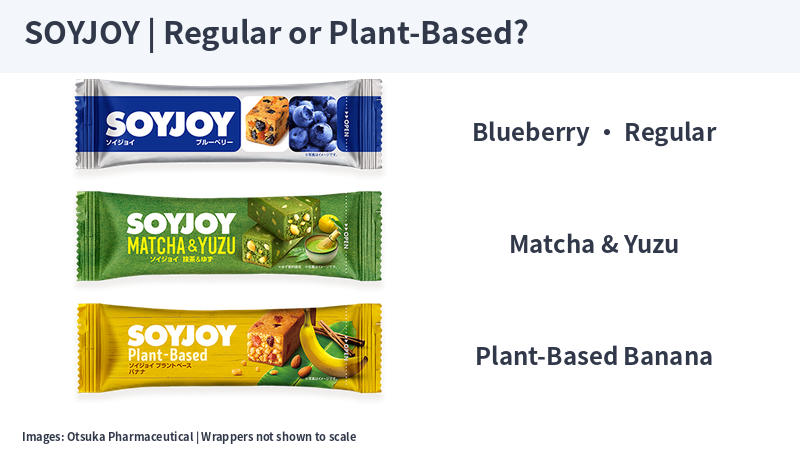
For a vegan snack, first find the words “Plant-Based” on the wrapper. If you simply want a portable soy snack, regular flavors give you more choices, but their eggs, dairy and nuts vary. This guide compares Blueberry, Matcha & Yuzu and Plant-Based Banana so you can choose by ingredients and one-bar portions.

I’m Irene, a Taiwan-born, Japan-licensed pharmacist working in a Japanese drugstore. A soy-based name can sound like an automatic fit for a plant-only diet. Here, I’ll help you separate three different questions: vegan ingredients, gluten-free labeling and food allergies.
Sources checked October 14, 2026, Japan time. Figures refer to the specified Japanese-market bars, not smaller Calorie Control 80 bars or overseas versions. Always check the wrapper you buy.
Which one belongs on your shortlist?
- Following a vegan diet: start with Plant-Based Banana and its vegan certification, then check your personal allergen restrictions.
- Want a fruit-flavored regular bar: Blueberry is one option, but it contains egg and milk ingredients.
- Interested in a Japanese tea flavor: Matcha & Yuzu contains egg, milk and macadamia nuts. Its green wrapper does not make it a vegan product.
Recognize the three wrappers
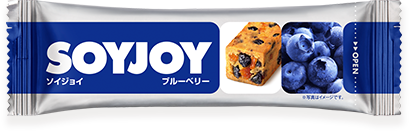
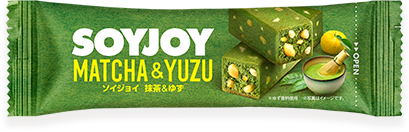
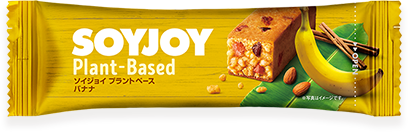
Compare one whole bar, with its weight visible
Nutrition below is per one individually wrapped bar: 30 g for Blueberry and Matcha & Yuzu, 25 g for Plant-Based Banana. These are snack portions, not a daily intake target or equal-weight comparison.
| Japanese-market flavor | Energy | Protein | Carbohydrate / fiber |
|---|---|---|---|
| Blueberry, 30 g | 134 kcal | 4.0 g | 15.2 g / 3.9 g |
| Matcha & Yuzu, 30 g | 144 kcal | 5.6 g | 11.9 g / 3.8 g |
| Plant-Based Banana, 25 g | 117 kcal | 6.0 g | 9.5 g / 2.9 g |
The smaller Banana bar has fewer calories per bar, while supplying 6 g of protein. That can be useful when choosing a single snack, but it does not establish that everyone should choose it. Fiber is included within total carbohydrate, so do not add the two columns together. Japanese labels may also show 糖質, carbohydrate excluding fiber; it is not the same as the amount of sugars.
Vegan, gluten-free and allergy-safe are different questions
Otsuka says its Plant-Based range is certified vegan by VegeProject Japan and does not use animal-derived ingredients such as egg, dairy or honey. That statement applies to this named range. The regular Blueberry and Matcha & Yuzu bars compared here contain both egg and milk ingredients.
Otsuka describes SOYJOY’s soy-flour dough as gluten-free. A gluten-free claim concerns gluten; it does not tell you whether a product contains egg, dairy, soy or nuts. If you must avoid an ingredient medically, review the current flavor-specific label rather than relying on a front-of-pack slogan.
The following lists are for the exact flavors above, separating ingredients deliberately used from the maker’s shared-equipment notices. The notices are relevant even when only one bar is eaten.
| Flavor | Listed allergen ingredients | Shared-equipment notice |
|---|---|---|
| Blueberry | Egg, milk, soy | Products containing peanuts |
| Matcha & Yuzu | Egg, milk, soy, macadamia nuts | Products containing peanuts |
| Plant-Based Banana | Soy, banana, almonds | Products containing egg, milk and peanuts |
A vegan certification does not cancel the shared-equipment notice. If your allergy plan requires avoiding possible cross-contact, check with the manufacturer before buying. Do not apply the Banana ingredient list to another Plant-Based flavor, or the Blueberry list to the whole regular range.
Two details about Matcha & Yuzu
Otsuka’s August 20, 2026 announcement gives September 7 as the launch date. The citrus impression uses yuzu flavoring; the ingredient list includes processed lemon peel. The maker also reports 18 mg caffeine per bar as an analytical value. Keep that in mind if you are counting caffeine from tea, coffee and snacks together.
A quick check before checkout
- Match the full flavor name and the Plant-Based wording, if that is your priority.
- Read the allergen ingredients and the separate shared-equipment notice.
- Confirm the bar weight before comparing calories and protein. A 25 g bar, a 30 g bar and a smaller 80-kcal bar are different portions.
- Use it as a snack or addition to a meal. One bar does not provide a complete meal, and the wrapper’s nutrition claims are not promises of weight loss or disease control.
My shopping takeaway
For a plant-only diet, the most helpful first filter is the named Plant-Based range. For everyone else, start with the flavor you want and check its actual ingredients. Reading those two lines on the wrapper is more useful than assuming every soy bar has the same recipe.