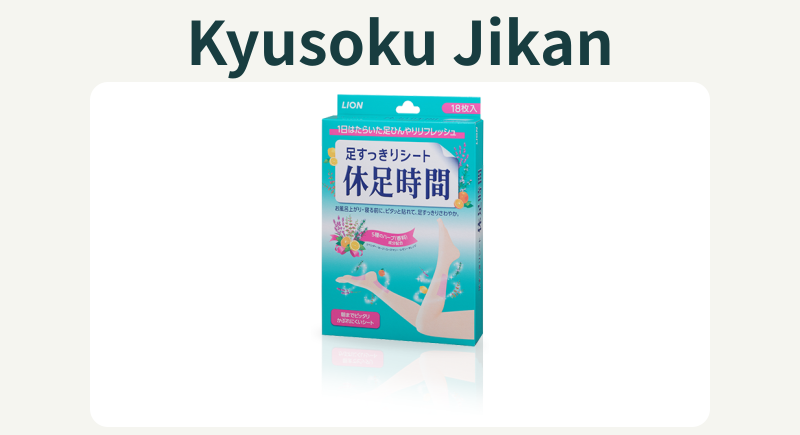
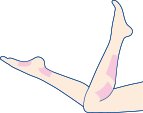
Back at your hotel after a day of walking? The regular Kyusoku Jikan cooling sheet can go on your calves, ankles or soles. The textured version is designed for the soles. Both are non-medicinal cooling products. If your main concern is pain or noticeable swelling, a cool sensation alone does not tell you whether a sheet is the right choice.

I’m Irene, a Taiwanese pharmacist working in Japan. Start with where you want to place the sheet and whether your skin is intact. You do not need the strongest sensation to make a sensible choice.
The regular sheet: calves, ankles or soles
Look for 足すっきりシート 休足時間 on the Japanese package. Lion lists 6-sheet and 18-sheet packs; the latter contains three pouches of six. These are pack sizes, not strength levels.
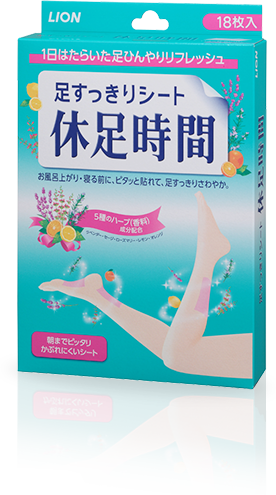
Water evaporating from the gel takes heat away; the regular sheet also contains menthol for a cooling sensation. Think of it as an optional cooling step while you rest, rather than using the intensity of the cool feeling to judge recovery.
The textured version: bumps for the soles
The Japanese name is 休足時間 ツボ刺激ジェルシート. In this guide, “textured sole sheet” means this specific product. The 8-sheet pack has two pouches of four. Attached bumps provide a pressing sensation against the sole, alongside cooling from the water-rich gel.
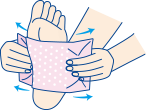
Lion says stretching this sheet during application increases the stimulation. There is no need to chase a stronger sensation. If you simply want cooling on your calves, the regular version fits that placement. The Japanese reference to pressure points does not make the textured sheet a treatment for foot disease.
A simple hotel-room routine
- Check your skin. Avoid wounds, eczema and other abnormal skin, as well as the eye area and mucous membranes.
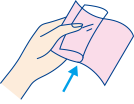
- Peel back half the clear film. Place the exposed gel side on the intended area, then gradually remove the rest. Use the regular sheet on a suitable calf, ankle or sole area; use the textured one on the sole.
- Close the pouch. Put unused sheets inside and fold the opening over twice to limit air exposure. Store somewhere cool, away from direct sunlight and high temperatures.
Wearing shoes over a sheet can transfer gel to shoes or socks. Saving it for your room avoids that inconvenience when you are heading out again.
Can you sleep with it on? When should it come off?
Lion describes bedtime use for the regular sheet and adhesion until morning. Its textured-sheet precautions also discuss marks the following morning. The Japanese pages reviewed do not give a fixed number of hours that you must complete. Follow the label on your own pack, and do not keep a sheet on just to reach a time target.
If redness, itching or another skin reaction occurs during or after use, stop using the product immediately. Remove the sheet if it is still on, and take the product to a doctor for advice. Lion’s regular-sheet FAQ also says to stop if it feels too cold. If it is your first use before bed, give yourself a chance to notice how your skin responds.
The textured sheet can leave temporary indentations; Lion says these usually fade in about an hour. Marks are not evidence of detoxification or a therapeutic effect. Redness or itching still calls for stopping, rather than dismissing it as a normal imprint.
Is this the same as a medicated pain patch?
Lion explicitly identifies both as non-medicinal. For pain relief, a medicated patch has its own indications, ingredients and precautions. Our ROIHI pain-patch guide explains a different product category; do not transfer these cooling-sheet instructions to a medicine.
Quick questions
Does it treat swelling or remove toxins?
Do not use cooling sheets as a treatment for swelling or a detox product. Persistent or unexplained swelling deserves medical advice.
Are the sheets scented?
Both list fragrance ingredients associated with lavender, sage, rosemary, lemon and orange. Fragrance preference is another practical reason to check the pack.
Can a young child use them?
Lion calls for careful use under a guardian’s supervision, without giving a numerical age cutoff on these pages. This guide focuses on adults travelling in Japan; check the physical pack and ask a pharmacist if choosing for a child.
Sources
- LION: regular cooling sheet
- LION: textured sole sheet and sales notice
- LION: application illustrations and brand information
- LION: regular-sheet coldness FAQ
- NHS hospital: blood-clot symptoms
Checked 10 October 2026. This guide covers the Japanese products. Read the label on your own pack before use.