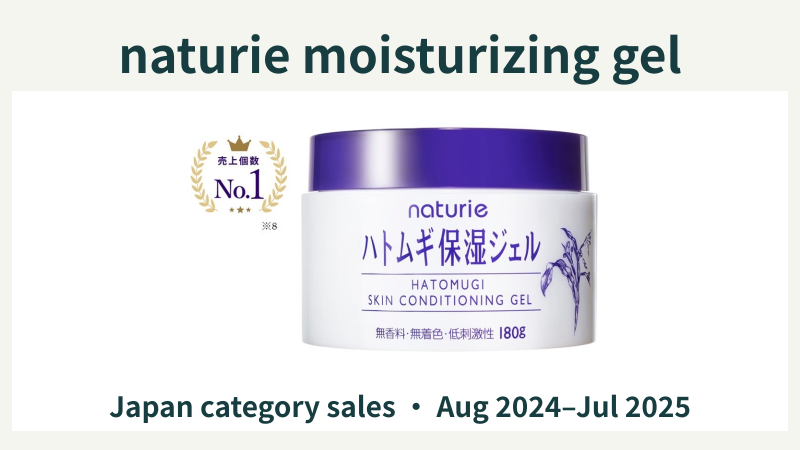
Choose this jar if you want a light-feeling, leave-on moisturising gel: look for Naturie Hatomugi Skin Conditioning Gel, 180g, in the white jar with a purple lid. The usual place is after a hydrating toner, with an emulsion (a lightweight moisturiser) or cream afterwards if wanted. It can also go straight onto clean skin. Its role is everyday hydration; the hatomugi name does not establish acne, eczema or pigmentation treatment.

I’m Irene, a Taiwanese pharmacist working in Japan. A familiar purple lid is a useful starting point at the drugstore shelf. The next question is more practical: are you shopping for a watery toner or a moisturiser to leave on afterwards? Let’s match the jar to the step you actually need.
Recognise the Japanese 180g jar
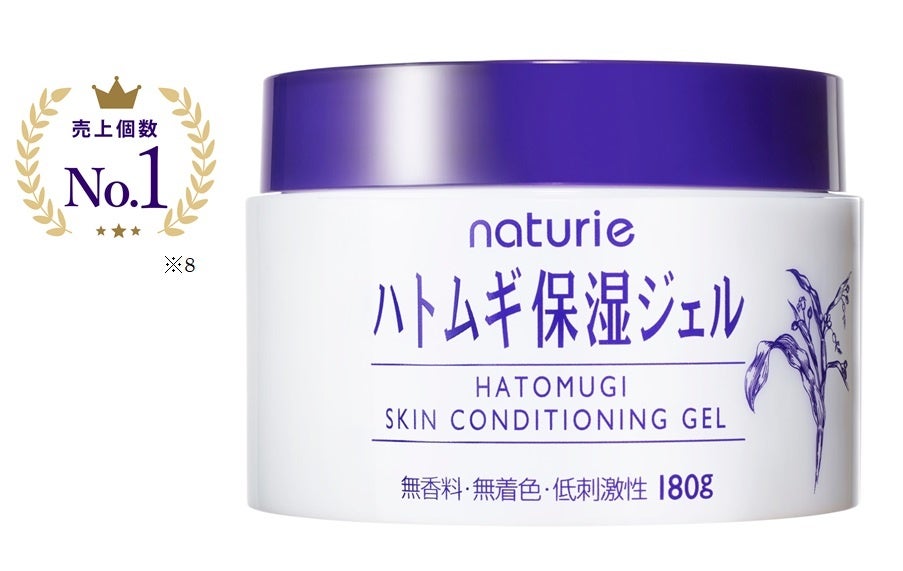
- Japanese product name: ナチュリエ ハトムギ保湿ジェル
- Official Japanese sales name: ナチュリエ スキンコンディショニングジェル
- English front label: HATOMUGI SKIN CONDITIONING GEL
- Size and shape: 180g, a wide white jar with a purple lid
In a Japanese shop, show the Japanese product name and 180 g size to help identify the right jar. Limited sets may add another product; compare the main jar before comparing bundle prices.
The Japanese maker price checked for this guide is ¥990 including tax. Shop promotions and overseas prices can differ.
Gel, toner or milk: which step are you buying?
Naturie’s ハトムギ化粧水 is a watery hydrating toner. This ハトムギ保湿ジェル is classified by the maker as a gel-type serum, while ハトムギ浸透乳液 is a separate emulsion. In Japanese skincare, “lotion” often means toner, so an English product name alone can be confusing.
The maker describes the gel as forming a moisture-holding layer on the skin and supplying water to the stratum corneum, the outermost skin layer. For a buying decision, think about the feel and the job you need it to do. Someone seeking a rich, cushioned cream may want a different texture or an additional cream. You do not have to buy the entire range to build a workable routine.
How much to use, in what order, and whether to rinse
- For the usual routine, apply after toner. The maker’s guide is an amount about the size of a Japanese ¥500 coin, applied twice in layers. This is a visual amount guide, not a precise weight; do not put a coin into the jar.
- Leave it on. Add an emulsion or cream afterwards if you want one. If skin still feels tight, consider the rest of your moisturising routine rather than endlessly adding thicker gel layers.
- For a shorter routine, apply directly to clean skin. The maker also allows use after cleansing or bathing as a multi-use moisturiser. Whether that is enough depends on your skin and the conditions.
- Before makeup, use it as your moisturising step. Let the layer settle before your separate sunscreen and makeup. If products pill, review the way you layer them and their compatibility. This jar has no SPF/PA claim to replace sunscreen.
The optional maker “gel pack” method uses about three ¥500-coin-sized amounts over the face. After around five minutes, gently work the remaining gel into the skin. It stays on; it is not a mask to dry and peel off. When first trying the product, establish that ordinary application suits you before adding every optional method.
It can also be used on the body. That makes it an option for routine moisturising after a shower. Red, painful sunburn or actively inflamed skin needs appropriate care; treating the gel as sunburn medicine would go beyond its cosmetic purpose.
Texture and ingredients: what the label can tell you
Naturie describes a gel that turns more fluid on application, with a watery, non-sticky feel. The amount you apply, humidity and other products can affect how the finished routine feels.
The current Japanese list includes water, glycerin, DPG, dimethicone and hatomugi extract. Hatomugi, or coix, is the moisturising botanical featured by the brand. The list also contains a vitamin C derivative and the preservative methylparaben. An ingredient name does not tell you its concentration or prove that the finished gel treats acne or fades pigmentation.
The maker labels it fragrance-free, colourant-free, alcohol-free and low-irritation, with non-comedogenic testing. It expressly says that comedones can still occur in some people. Those labels do not guarantee freedom from allergy or irritation. If you have reacted to an ingredient before, check the complete current list and your own pack before buying.
My practical tip: Keep the rest of your routine simple when introducing a new moisturiser. That makes it easier to notice whether it agrees with your skin. A light texture may suit your preferences, but persistent discomfort or an ongoing skin treatment deserves more individual advice than a popularity badge can give.
Precautions, storage and travelling with the jar
Imju’s general cosmetics notice says to stop and consult a dermatologist if redness, swelling, itching, irritation, pale patches or darkening appear during use, or if those reactions occur after the treated area is exposed to sunlight. Continuing may worsen symptoms. Read the other precautions on the actual container and outer packaging you buy.
The brand advises avoiding direct sunlight, heat and humidity and using opened products promptly. Its FAQ describes a general unopened quality period of three years; that is not three years from any purchase date, and it is not an opened-jar expiry period.
For packing: use clean hands or a clean tool, keep added water out of the jar, close it firmly and use a leak-resistant bag. Keep the product name and ingredient label available. Before flying, check the liquid/gel rules for your departure and connecting airports and airline. A 180g label is not a reason to assume the jar qualifies for cabin baggage.
A simple buying decision
Put this on your shortlist if you want a leave-on, watery-feeling moisturiser for face or body and are comfortable using a jar. If you need a spray toner, a rich cream or treatment for a skin condition, clarify that need before choosing. The useful test is whether the product feels comfortable and fits your day-to-day routine.
Explore more Japanese drugstore guides
Sources
Checked 11 October 2026 against Japanese product information. Check the local label for overseas versions and the item you actually buy.