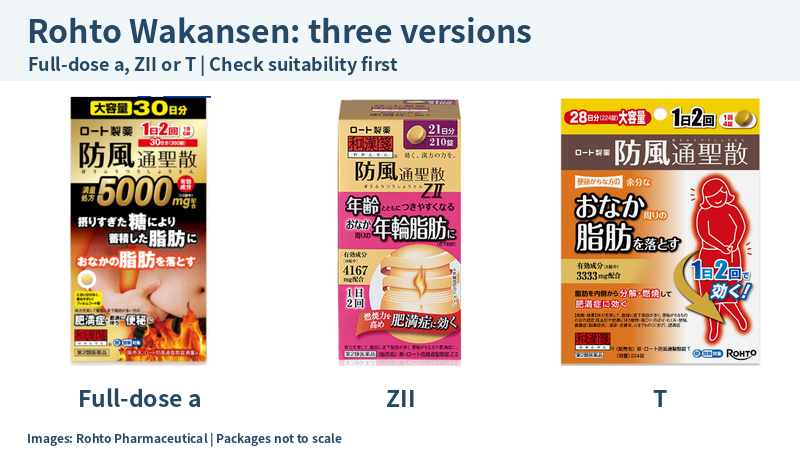
Before comparing Rohto Wakansen Bofutsushosan full-dose a, ZII and T in Japan, check the shared labelled profile: a robust constitution, substantial fat under the skin around the abdomen, and a tendency to constipation. All three are Japanese Class 2 OTC medicines for ages 15 and over. Wanting a smaller waist alone does not make someone a suitable candidate for these medicines.

I'm Irene, a Taiwan-born, Japan-licensed pharmacist working in a Japanese drugstore. For this comparison, let's check the suitability wording first, then untangle the tablet counts so that “full dose” or age-related packaging does not make the decision for you.
- Start with the labelled constitution and symptoms
- The practical differences: daily extract, tablets per dose and coating
- Match the suffix on the actual package
- The same 18 crude drugs mean these versions should not be stacked
- When to take them: “between meals” means after a meal has passed
- When to stop, and how long to wait for improvement
- Keep the original packaging when you bring it home
- Sources
Start with the labelled constitution and symptoms
“Robust constitution” is part of the Kampo suitability profile. It cannot be determined from weight, age or a single active day alone. All three versions have the same eligibility wording. If you are slim and simply want to change your waistline, or are unsure whether the profile fits, ask a pharmacist before choosing a box by its extract amount.
For people fitting that profile, the Japanese indications include obesity (肥満症); palpitations, shoulder stiffness, flushing, swelling and constipation accompanying hypertension or obesity; sinusitis; eczema/dermatitis; and acne. The constitution requirement applies to these indications. The mention of hypertension-related symptoms does not make this a substitute for blood-pressure treatment. People diagnosed with hypertension must seek advice before use.
Do not use under age 15, and do not take another laxative while using any of these products. The labels say that people who are breastfeeding should either not take the medicine or avoid breastfeeding while taking it. If you want to continue breastfeeding, discuss an alternative with a healthcare professional rather than interrupting breastfeeding just to use this product.
Consult a doctor, pharmacist or registered OTC medicine seller in Japan before using any version if you are receiving medical treatment; pregnant or possibly pregnant; older; physically weak; prone to diarrhoea with a weak digestive system; or prone to excessive sweating. Also seek advice if you have had a medicine-related rash, redness or itching; have swelling or difficulty urinating; or have been diagnosed with hypertension, heart disease, kidney disease or a thyroid disorder.
The practical differences: daily extract, tablets per dose and coating
The three versions use the same Bofutsushosan formula and crude-drug ingredients. Their daily extract and crude-drug quantities differ, and full-dose a has a film coating. These are the labelled directions for ages 15 and over. Every version is taken twice a day. Once a product has been selected, follow that exact package.
| Full Japanese name to match | Bofutsushosan extract per day | Each dose | Total tablets per day |
|---|---|---|---|
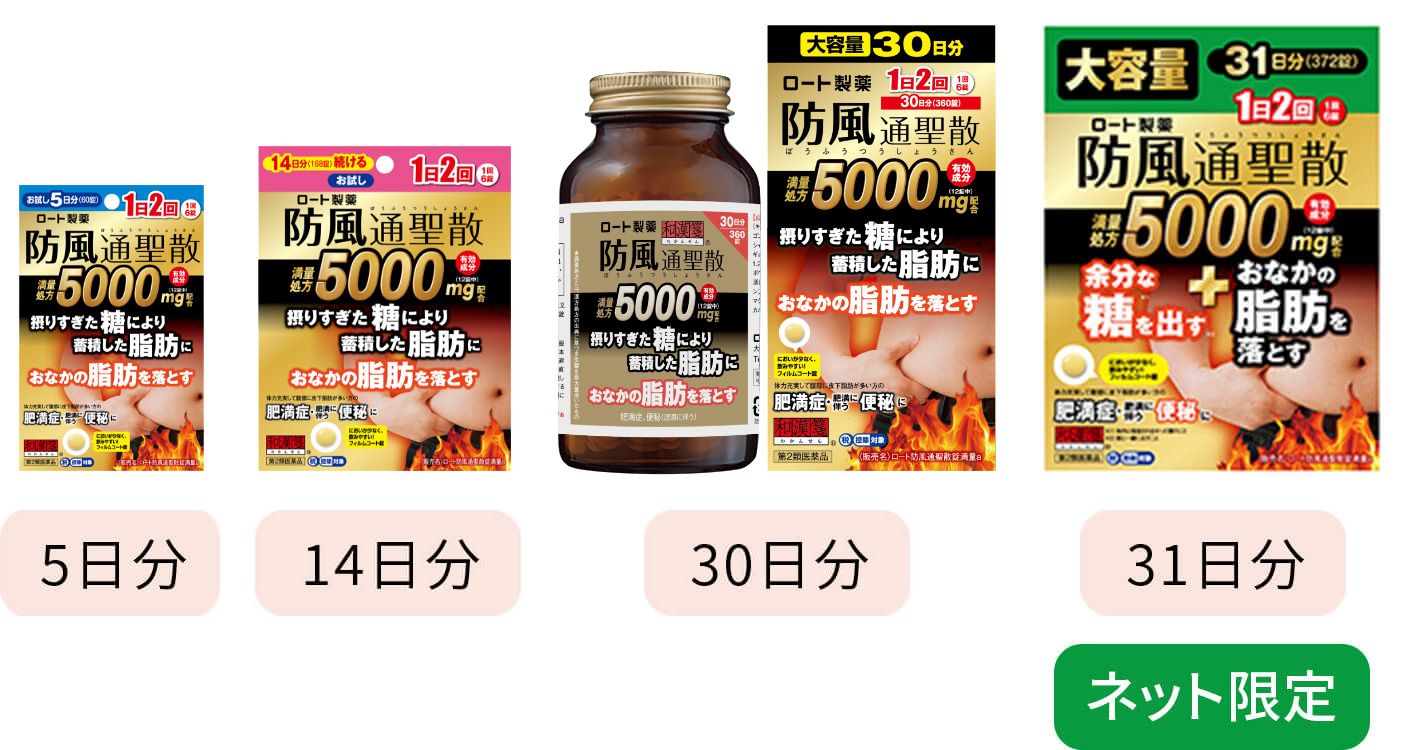
| Full-dose a: ロート防風通聖散錠満量a | 5000 mg; full formula amount | 6 tablets, twice daily | 12 tablets |
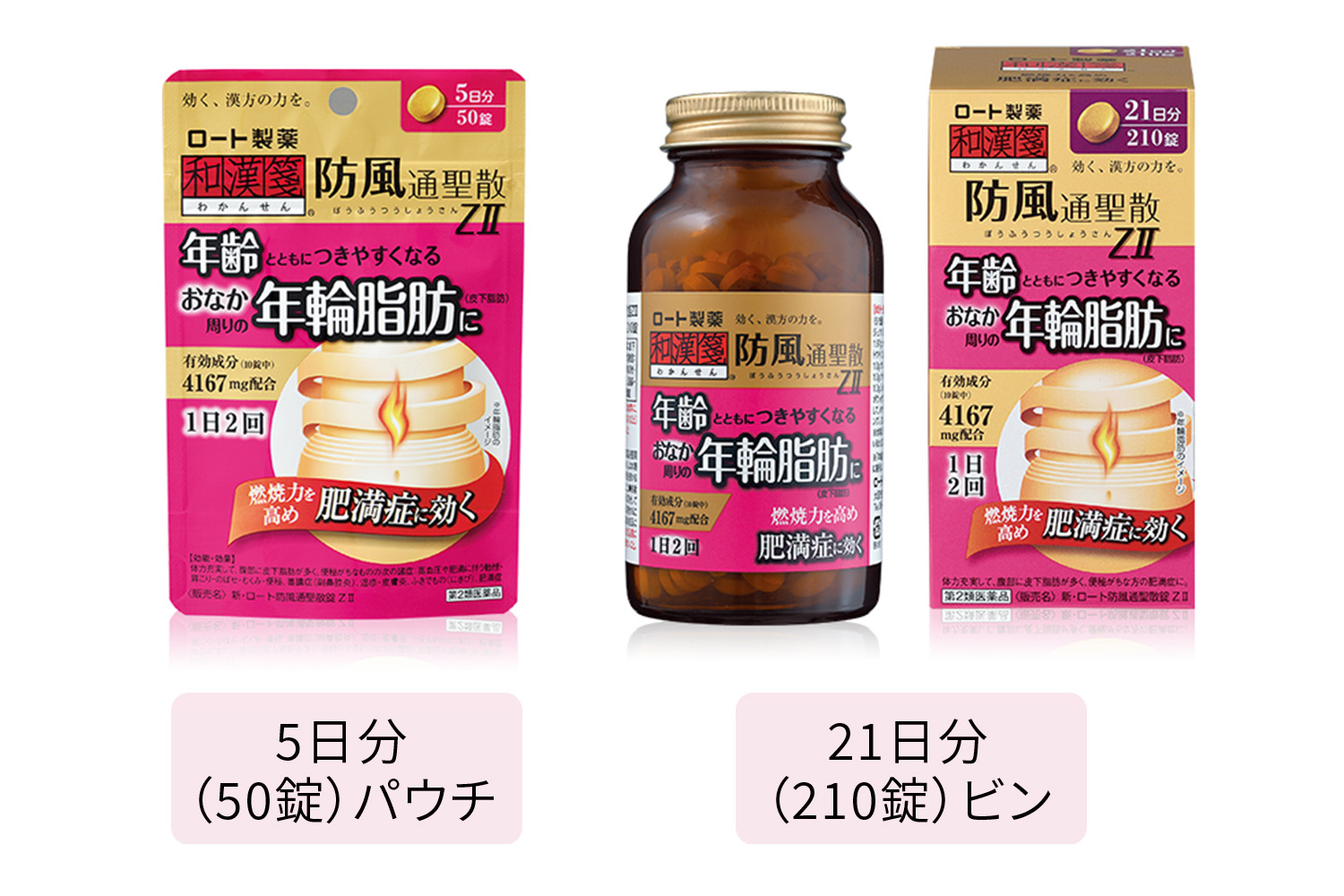
| ZII: 新・ロート防風通聖散錠ZII | 4167 mg; 5/6 formula amount | 5 tablets, twice daily | 10 tablets |
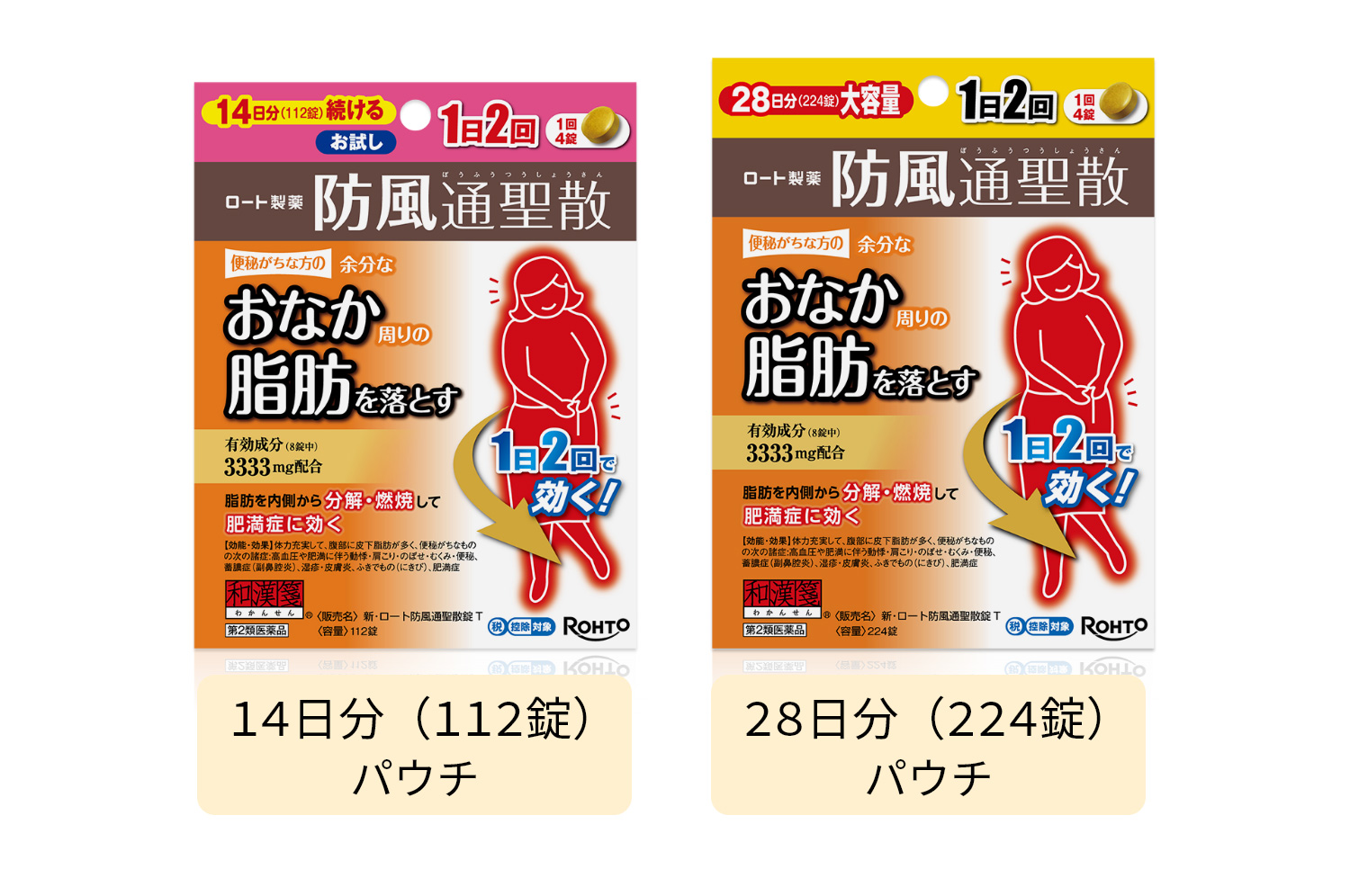
| T: 新・ロート防風通聖散錠T | 3333 mg; 2/3 formula amount | 4 tablets, twice daily | 8 tablets |
The 5000, 4167 and 3333 mg figures are daily extract amounts, not amounts in one tablet or one dose. Full, 5/6 and 2/3 describe the crude-drug quantity relative to the formula. They are not multipliers for weight-loss results or a ranking of the best option for everyone. T contains less extract per day but retains the same eligibility conditions and important warnings.
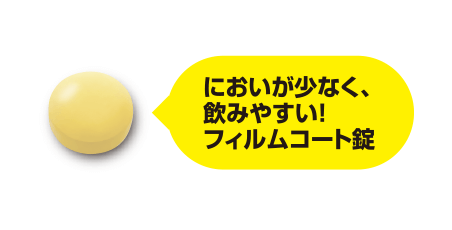
- If the smell or taste of Kampo matters to you, ask about full-dose a. Its film coating is intended to reduce the characteristic smell and taste. It still requires six tablets per dose. This is a formulation feature, not a guarantee of better results.
- If ZII's age-related packaging catches your eye, check suitability first. Rohto's term “年輪脂肪” describes subcutaneous fat that has accumulated with age. It does not remove the requirement for older people to consult before use.
- If you want to compare the number of tablets per dose, T requires four. Do not increase T to six tablets or reduce full-dose a to try to recreate another version. If you are unsure which is appropriate, show a pharmacist your current medicines and supplements as well.
Match the suffix on the actual package
Look for Rohto's Wakansen brand, written 和漢箋, and then the complete product name ending in 満量a, ZII/ZⅡ or T. Check the final “a” on full-dose a and the “II/Ⅱ” on ZII. Directions for a different version found online should not be transferred to the product in your hand.
The same 18 crude drugs mean these versions should not be stacked
All three Bofutsushosan extracts use the same 18 crude drugs, including ephedra, glycyrrhiza (liquorice), rhubarb and gardenia fruit. They are not three unrelated Kampo formulas; the quantities vary with the formula amount. If you already use another Kampo medicine, a constipation medicine or supplements, give the pharmacist the full names to check. A different brand name does not rule out overlapping ingredients.
Do not combine these versions or add another laxative to pursue more bowel movements or weight change. Kampo medicines can cause adverse effects. Diarrhoea, palpitations and feeling unwell should not be interpreted as evidence of “detox”.
When to take them: “between meals” means after a meal has passed
Take each version with water or warm water before meals or between meals. The official product pages describe before meals as approximately 10–30 minutes before eating. The labels define between meals as approximately 2–3 hours after a meal, not during a meal. The six-, five- and four-tablet doses belong to full-dose a, ZII and T respectively; do not interchange them.
When to stop, and how long to wait for improvement
Stop immediately and take the packaging to a doctor, pharmacist or registered OTC medicine seller if you develop a rash, redness, itching, nausea or vomiting, loss of appetite, stomach discomfort, abdominal bloating or pain, diarrhoea with severe abdominal pain, dizziness, sweating, palpitations, swelling or headache. Stop and consult if diarrhoea or constipation persists or worsens.
The labels also list rare but serious adverse reactions. Stop and obtain medical care immediately for these warning signs; do not wait to finish the pack:
- New or persistent shortness of breath with slight exertion, difficulty breathing, dry cough or fever: possible interstitial pneumonia.
- Tiredness, numbness, tightness or stiffness in the limbs, with progressively worsening weakness or muscle pain: possible pseudoaldosteronism or myopathy.
- Yellow skin or eyes, brown urine, or symptoms such as fever, itching, rash, general fatigue or loss of appetite: possible liver dysfunction.
- Repeated abdominal pain, diarrhoea, constipation or bloating after long-term use: possible mesenteric phlebosclerosis.
Stop and consult if symptoms have not improved after about one month, or after about one week when taking the medicine for constipation. These are not minimum periods you must complete. Act earlier if adverse effects occur, and discuss prolonged continuous use with a doctor, pharmacist or registered OTC medicine seller.
Keep the original packaging when you bring it home
Store tightly closed in a cool, dry place away from direct sunlight and out of children's reach. Do not handle the tablets with wet hands or transfer them to another container. Do not use after expiry, and use promptly after opening. For a bottle, follow the package direction to discard the protective packing material after opening so that it does not retain moisture and affect product quality.
A useful shopping order is: check suitability and existing medicines, match the full product name, then confirm tablets per dose. If the profile does not fit, you do not need to buy one. If it does, discuss the coating, daily tablet count and pack quantity with a pharmacist.
Sources
- Rohto: full-dose a product information; official package directions PDF
- Rohto: ZII product information; official package directions PDF
- Rohto: T product information; official package directions PDF
- Rohto: differences between full-dose a, ZII and T; full-dose a coating and pack information
- National Institute of Health Sciences website: Bofutsushosan safety checklist, prepared by a Kampo safety research group. Each product's Japanese label controls its dose and age restriction.
Official information checked on 13 October 2026. This guide covers versions sold in Japan and does not replace individual medical advice. Read the latest directions on the actual product before purchase and use.