Japanese product information checked: 10 October 2026
Mentholatum MediQuick PRO Ointment and Cream a both contain a topical corticosteroid. They are medicines for eczema, dermatitis and other labelled itchy skin conditions. Cream a is described as less sticky; the ointment is designed to adhere to and protect the affected area. First check whether the medicine suits the problem and body area, then choose the form. Stop and seek advice if symptoms have not improved after 5–6 days.

I’m Irene, a Taiwanese pharmacist working in Japan. When several boxes all say “itch relief,” it is easy to assume they do the same job. Here is what to check before putting PRO in your shopping basket.
Three checks before choosing
- Looking for an everyday moisturiser? PRO is a steroid medicine with limits on where and how long to use it. Do not automatically move from AD/GX to PRO because itching persists.
- Itching around the eyes or lips, pus, or a possible fungal infection? Do not try PRO on these areas. Get the cause assessed.
- Already confirmed a suitable short-term use? Choose the texture you prefer, while observing the same restrictions for both forms.
Find PRO, then check Cream a or Ointment
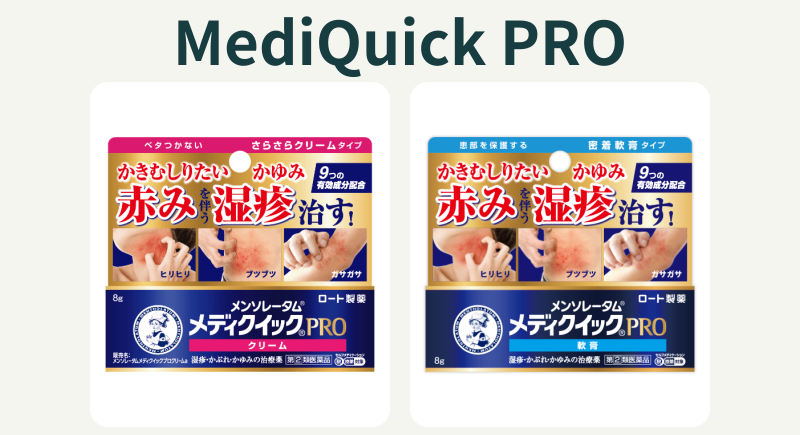
This guide covers the two current Japanese 8g products below. MediQuick R/S hand-eczema products and H Gold scalp treatments are separate products. A familiar brand name alone does not establish the same formula.
Cream a: for a less sticky feel
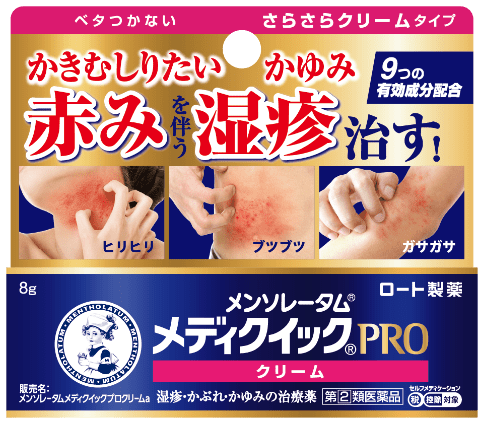
Look for メンソレータム メディクイックプロ クリームa, JAN barcode 4987241196654. Rohto describes this as a smooth, non-sticky cream. An older shopping photograph labelled simply “Cream” should not be used to assume the current ingredients.
Ointment: for an adhering, protective base
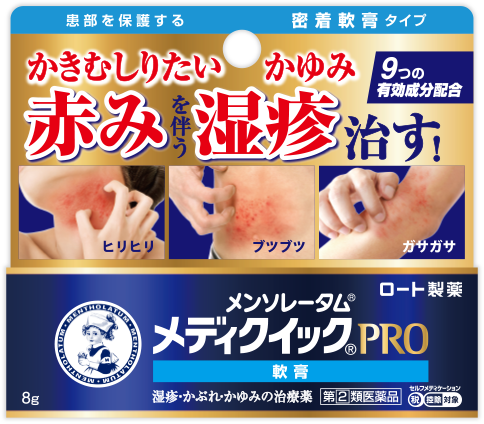
Look for メンソレータム メディクイックプロ 軟膏, JAN barcode 4987241173471. Rohto describes this form as adhering to and protecting the affected skin. That description does not establish that it is more effective than the cream.
Both contain menthol and camphor for a cooling sensation. Tell the pharmacist if cooling products tend to irritate your skin. Severe weeping or erosion requires advice before use; a simple “cream for wet skin, ointment for dry skin” rule is not enough.
Yes, both contain a steroid
Both contain prednisolone valerate acetate, 1.5mg per gram (0.15%), an anti-inflammatory corticosteroid. On the Japanese ingredient list it appears as プレドニゾロン吉草酸エステル酢酸エステル.
Rohto calls it an “antedrug” steroid: it is designed to act locally and become less active after absorption into the body. It remains a steroid medicine with precautions. The term does not mean steroid-free or suitable for indefinite use.
- Cream a: chlorpheniramine maleate 5mg per gram, an antihistamine ingredient for itch relief.
- Ointment: diphenhydramine 10mg per gram, a different antihistamine ingredient.
- Other shared ingredients, per gram: lidocaine 10mg, glycyrrhetinic acid 5mg, allantoin 2mg, isopropyl methylphenol 1mg, tocopherol acetate 10mg, dl-camphor 1mg and l-menthol 15mg.
The antihistamine and base differ, so the two products are not identical formulas in different textures. There is no reason to layer both for a “more complete” treatment. If you have a history of medicine allergies, show the full ingredient list to a pharmacist.
The Japanese labels list eczema, contact dermatitis, itching, dermatitis, hives, heat rash and insect bites. This list cannot diagnose a rash. Despite containing an antiseptic ingredient, neither product is for athlete’s foot, ringworm or pus-producing lesions.
If you were looking for a dry-skin itch product, see the Mentholatum AD and MUHI Soft GX guide to identify those products. Persistent or changing symptoms need reassessment; PRO is not an automatic substitute or next step.
How much, how often and how to spread it
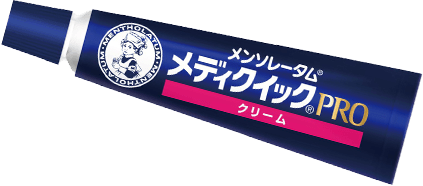
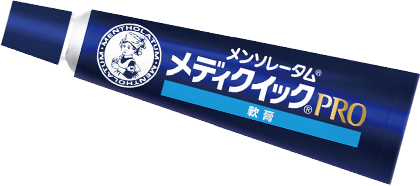
- Read your pack’s leaflet first. Check the condition, body area and personal precautions. These products are for external use only.
- Apply an appropriate amount to the affected area several times a day. The leaflets do not specify a fixed centimetre length or a twice-daily schedule. Do not add extra to try to speed up treatment.
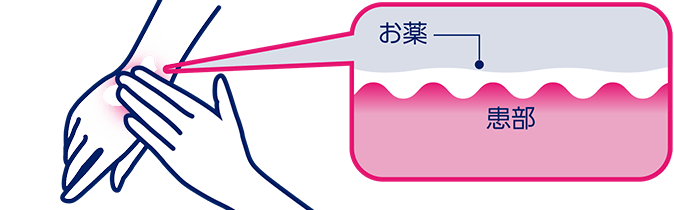
- Spread gently to cover the affected skin. Lay the medicine on rather than rubbing vigorously. Follow the several-times-daily directions when reapplying to areas such as hands where medicine can come off.
- Reduce the frequency as symptoms improve. Do not continue as an everyday preventive moisturiser. Follow the stop rules below if there is no improvement or irritation develops.
If medicine gets into an eye, rinse immediately with water or lukewarm water; see an eye doctor if symptoms are severe. Close the cap tightly and store in a cool place away from direct sunlight and children. Keep it in the original container and do not use it after the expiry date on the carton.
Where not to use it, and when to ask first
Do not use
- On chickenpox, athlete’s foot, ringworm or pus-producing lesions.
- In or around the eyes, on the lips or other mucous membranes.
- Over a large area of the face.
- Continuously for a long period.
For a small facial rash, ask a pharmacist or doctor to assess suitability first. “Do not use over a large area of the face” does not mean every small facial rash is suitable for self-treatment.
Consult a doctor, pharmacist or registered medicine seller in Japan before use if you
- Are receiving medical treatment.
- Are pregnant or might be pregnant.
- Have had allergic reactions to medicines or other substances.
- Have a large affected area.
- Have severe weeping or erosion of the skin.
Stop if it is not improving after 5–6 days
You do not have to finish a 5–6-day “course.” Stop immediately and take the leaflet to a doctor, pharmacist or registered seller if you develop rash, redness, itching, swelling, or fungal infection, acne, pus or persistent irritation at the treated site. Persistent stinging is not something to endure as proof the medicine is working.
If symptoms have not improved after 5–6 days, stop and seek advice. Difficult-to-treat or repeatedly returning symptoms should be assessed by a doctor. Do not keep restarting treatment or choose a stronger steroid yourself.
Frequently asked questions
Can children use it?
The Japanese leaflets do not state a numerical minimum age; they require adult guidance and supervision when used for children. That is not a blanket recommendation for every age or rash. For babies and young children, or any uncertain rash, ask a pharmacist with the child’s age, affected area and symptom history before sharing an adult’s medicine.
Does the cooling feeling mean it is steroid-free?
No. Both contain a corticosteroid as well as menthol and camphor. Cooling sensation does not tell you whether a medicine contains a steroid.
Can I add it to another eczema medicine?
The leaflet requires consultation if you are receiving medical treatment. Show the pharmacist or doctor the medicine name, application area and frequency before adding PRO; do not layer medicines on the same area yourself.
Can I travel with just the tube?
Keep the original carton and leaflet, especially the full name and expiry date. A photograph can help a pharmacist identify the product, but it does not replace the directions and precautions supplied with your pack.
Sources and scope
This is a guide to the Japanese products and their labels, not an individual diagnosis. Similarly named products sold in other regions may have different formulas or instructions. Follow your current pack’s leaflet and professional advice.