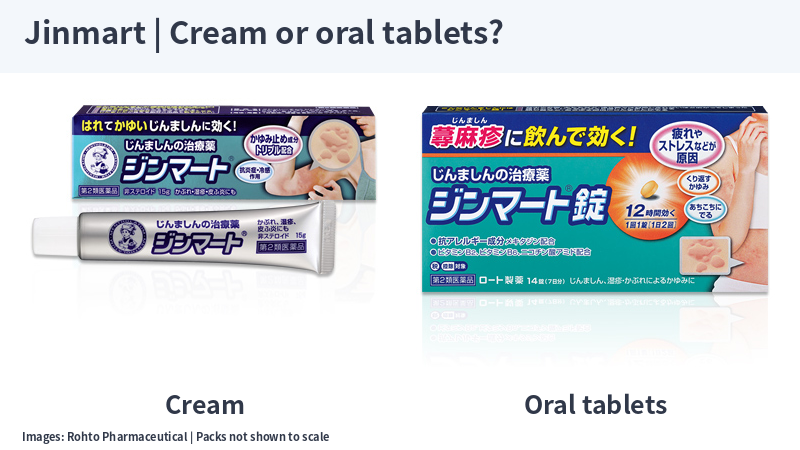
Jinmart cream is applied to affected skin; Jinmart Tablets are an oral antihistamine medicine for ages 15 and over. The tablets have a strict no-driving warning and must not be combined with certain allergy, cold and other antihistamine medicines. If a rash is spreading or keeps returning, get medical advice rather than deciding on tablets solely because there is more skin to cover.

I'm Irene, a Taiwan-born pharmacist licensed in Japan, currently working in a Japanese drugstore. With Jinmart, the first useful question is whether you are choosing a skin treatment or an oral medicine. The same family name does not make their precautions interchangeable.
Sources checked on 14 October 2026 (Japan time). This guide covers the Japanese Mentholatum Jinmart cream, 15 g, and Jinmart Tablets, 14 tablets. Both are Class 2 OTC medicines.
Seek emergency care for sudden swelling of the lips, mouth, tongue or throat, breathing or swallowing difficulty, or fainting/unresponsiveness. A rash with these symptoms may be a serious allergic reaction; neither cream nor an OTC antihistamine is a substitute for emergency treatment.
The choice is more than cream versus convenience
The comparison gives the exact pack size and labelled single-dose/daily-use instructions. Tablets are for age 15+ only. The cream leaflet requires adult supervision for children but does not specify a numerical minimum age; that is not a blanket approval for infants.
| Product / shelf name | What the label covers | How it is used |
|---|---|---|
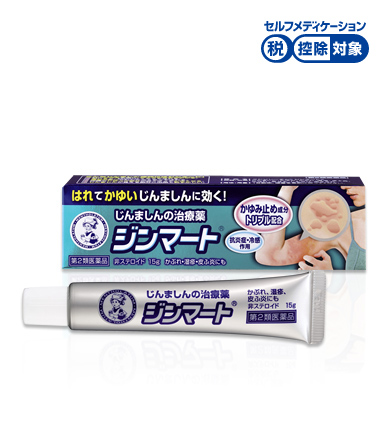
| Mentholatum Jinmart cream / メンソレータム ジンマート; 15 g | Hives, itching, contact irritation, eczema, dermatitis, skin erosion, heat rash, chilblains and insect bites | Apply an appropriate amount to affected skin several times daily; external use only |
| Jinmart Tablets / ジンマート錠; 14 tablets | Hives, itching caused by eczema/contact irritation, and rhinitis | Age 15+: 1 tablet with water or warm water, twice daily, morning and evening. Under 15: do not take |
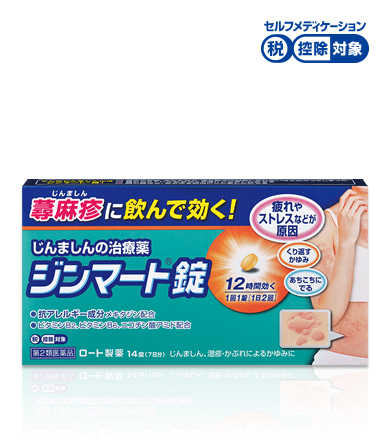
What is in each medicine?
The following is the complete active formula per 1 g of cream, not the amount to apply each time. Children’s use still needs the supervision and suitability check described above.
| Active ingredient in cream | Amount per 1 g |
|---|---|
| Diphenhydramine hydrochloride | 20 mg |
| Crotamiton | 50 mg |
| Lidocaine | 20 mg |
| l-Menthol | 20 mg |
| Zinc oxide | 30 mg |
| Dipotassium glycyrrhizinate | 1 mg |
The tablet amounts below are per two tablets, the total labelled daily dose for adults aged 15 and over. Take them as one in the morning and one in the evening, not both together. Milligrams in oral medicine cannot be compared directly with milligrams per gram of cream to rank strength.
| Active ingredient in tablets | Amount per daily 2 tablets |
|---|---|
| Mequitazine | 4 mg |
| Riboflavin (vitamin B2) | 12 mg |
| Pyridoxine hydrochloride (vitamin B6) | 30 mg |
| Nicotinamide | 60 mg |
The cream combines an antihistamine with other itch-relieving and anti-inflammatory ingredients, and its leaflet states that it contains no steroid. The tablets contain the antihistamine mequitazine plus three vitamins. Vitamins in a medicine do not make it a daily wellness supplement, and “no steroid” does not remove the cream’s application limits.
Cream: check the skin and the site
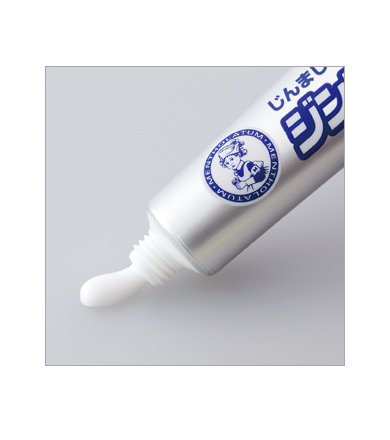
Do not use in or around the eyes, on mucous membranes such as the lips, or on wounds. Consult before use if under medical treatment, with a medicine-allergy history, or with severe weeping or erosion. Although skin erosion appears among the indications, severe erosion needs advice first. If it enters the eyes, rinse immediately with water or lukewarm water; obtain eye care for severe symptoms. For a child, ask a pharmacist about suitability and supervise use.
Tablets: driving, alcohol and other medicines
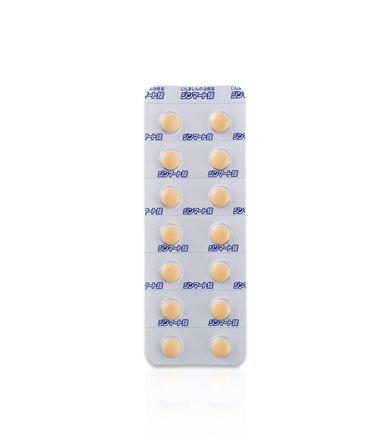
- Do not take after an allergy to this medicine or any ingredient.
- Do not combine with other allergy medicines or oral medicines containing antihistamines, including some cold, cough/expectorant, rhinitis and travel-sickness products. Bring your medicines to a pharmacist for a check.
- Do not drive or operate machinery after taking it. Drowsiness can occur; wording about being less likely to cause sleepiness does not override this prohibition.
- Do not drink alcohol before or after taking it. Do not take continuously long term.
- Consult first if pregnant or possibly pregnant, breastfeeding, older, under medical treatment, previously allergic to medicines, having difficulty urinating, or diagnosed with glaucoma.
Can I use both together?
Do not assume that a shared brand name authorises combined use. The cream and tablets each contain an antihistamine, and the tablet leaflet restricts other allergy medicines. Ask a pharmacist to check the exact combination and your other medicines before using both. Do not add a second tablet dose or another antihistamine because itching returns.
When to stop self-treatment
Both labels say to stop and consult if symptoms are not better after 5–6 days. Seek advice sooner when hives spread, recur, come with fever or feeling unwell, or involve swelling under the skin. Stop the cream for new or worsening rash, redness, itching, swelling, irritation, dryness, heat or stinging. Stop the tablets for rash, nausea, vomiting, appetite loss, abdominal pain, headache, unsteadiness or difficulty urinating; persistent or worsening dry mouth or drowsiness also needs review.
The tablet leaflet also warns about rare serious allergy, liver dysfunction and a reduction in platelets. Breathing problems or altered consciousness require emergency care. Jaundice, brown urine, unusual bruising, nosebleeds or bleeding gums require immediate medical assessment, even without fever. Vitamin B2 can turn urine yellow; that expected colour change is different from brown urine with illness.
Keep both products in their original packaging, away from direct sunlight and children. Keep the cream tightly closed and the tablets dry. Do not use beyond expiry, and use promptly after opening. Save the carton and leaflet so you can show a clinician exactly what you used.