Genital itching does not establish recurrent vaginal candidiasis. Japan’s OTC Empecid L is only for a recurrence in someone previously diagnosed and treated by a doctor. A first episode, no previous medical diagnosis and treatment, or uncertainty about the current episode means seeing a doctor first—not diagnosing from discharge, photographs or this article.

I’m Irene, a Taiwan-born, Japan-licensed pharmacist working in a Japanese drugstore. This guide puts reasons not to self-treat before formulation choices, helping you prepare for a professional consultation.
Checked: 22 October 2026. Scope: Japanese OTC エンペシドL vaginal tablets and エンペシドLクリーム. These instructions do not cover prescription products, other brands or overseas formulations.
- When not to use either OTC product
- Vaginal tablets and external cream are not interchangeable
- Ask before use—and disclose other medicines
- Tablets: once daily for 6 days, with a separate day-3 check
- Cream: external application 2–3 times daily
- New or worsening symptoms: do not wait for day 6
- Five details to bring to the pharmacy
- Official sources and images
When not to use either OTC product
Do not use these products; obtain medical assessment first if any of these apply:
- A suspected first episode, no previous diagnosis and treatment by a doctor, or uncertainty whether this is a recurrence.
- Age under 15 or 60 and over; pregnancy or possible pregnancy; diagnosed diabetes.
- Frequent episodes: once every 1–2 months, or twice or more within 6 months.
- Fever, chills, lower abdominal pain, back or shoulder pain; coloured, blood-stained or fishy-smelling discharge; periods stopping; irregular or abnormal vaginal bleeding; or ulcers, swelling or erosions in the vagina or vulva.
A previous allergic reaction to the product or any ingredient also rules out use. The symptoms above may indicate another condition. Previous candidiasis does not make a new warning sign safe to ignore.
This is not a symptom-matching diagnosis tool or a shopping list for any intimate-area itch. Being within the age range is only one requirement. Diagnostic uncertainty and warning signs come before choosing a formulation.
Vaginal tablets and external cream are not interchangeable
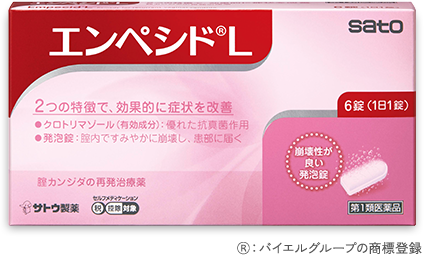
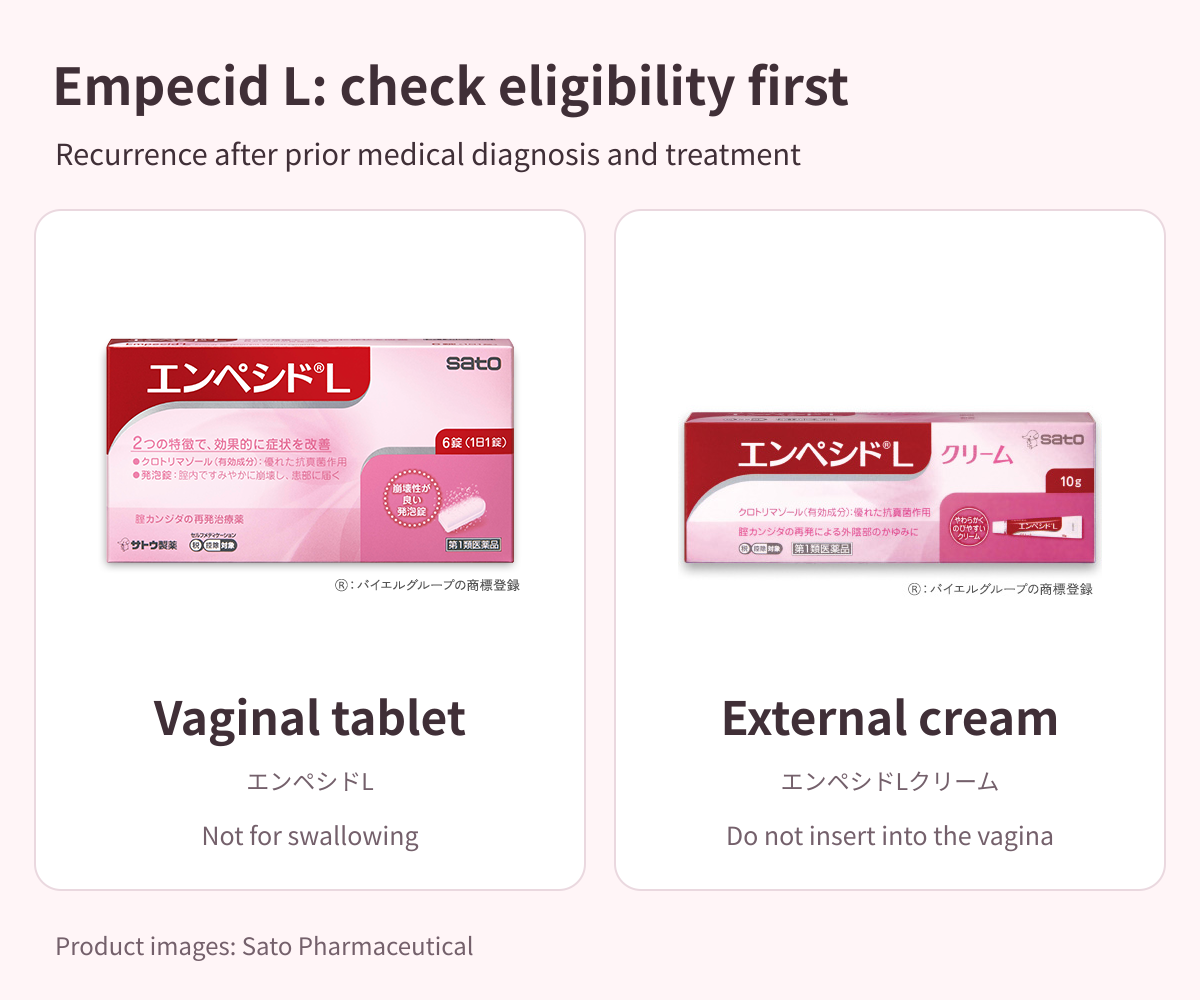
- Empecid L vaginal tablets: each contains 100 mg clotrimazole. For use inside the vagina only—not for swallowing or applying elsewhere.
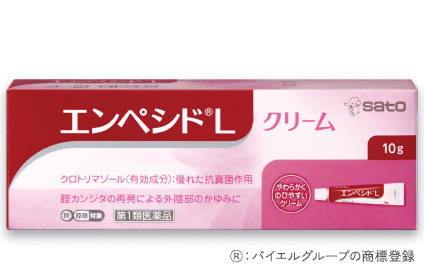
- Empecid L Cream: contains 1% clotrimazole for vulval itching with a rash due to recurrent vaginal candidiasis. It is for the external vulva only. Do not insert this cream into the vagina as a substitute for a vaginal tablet.
Both are Japanese Class 1 OTC medicines requiring pharmacist confirmation before purchase. For eligible users with vaginal symptoms such as discharge or a feeling of heat, the cream’s insert requires a vaginal medicine as well. Even with external symptoms alone, it recommends concomitant vaginal treatment. This distinction in the label is not permission to add medicines when the diagnosis is uncertain.
Ask before use—and disclose other medicines
Consult a doctor or pharmacist before use if receiving medical treatment, breastfeeding, or if you have had allergic symptoms from medicines or other substances. Show all medicines, including prescriptions, vaginal products and external anti-itch treatments, so duplication and combination issues can be checked.
While using Empecid L vaginal tablets, do not apply topical medicines other than candidiasis treatments to the vulva. An ordinary itch cream is not an automatic add-on. Nor does the exception mean any number of antifungals can safely be combined without advice.
Tablets: once daily for 6 days, with a separate day-3 check
- For users meeting all requirements, aged 15 to under 60: insert one tablet deep into the vagina once daily, preferably at bedtime, using a finger. Do not use an applicator. Clean the affected area first and wash hands with soap before and after.
- Use daily for 6 consecutive days, even if symptoms disappear sooner. The stopping and medical-assessment rules below take priority—completion does not mean continuing through a problem.
- No improvement after 3 days, or symptoms not gone after 6 days: seek medical assessment with the leaflet rather than extending self-treatment. Do not simply start another box.
Never swallow the tablets; if accidentally swallowed, see a doctor immediately. Do not use during menstruation. If a period starts during treatment, stop and see a doctor to check recovery and what to do next, rather than deciding on replacement doses yourself.
Cream: external application 2–3 times daily
Eligible users aged 15 to under 60 apply an appropriate amount to the affected external area 2–3 times daily, washing hands with soap before and after. Seek medical assessment if there is no improvement after 3 days or symptoms remain after 6 days; do not change treatment yourself if cream alone has not worked. The tablets’ explicit instruction to complete 6 days despite early symptom clearance should not be presented as the cream’s universal stopping rule. Confirm the cream’s duration using its leaflet and professional advice.
Do not use the cream during a period; stop and obtain medical assessment if menstruation begins. Keep it out of the eyes. If it enters an eye, rinse immediately with water or lukewarm water and see an ophthalmologist immediately. Avoid contact between the cream and latex contraceptives such as condoms or diaphragms. The insert warns of deterioration and breakage; do not assume protection is reliable after contact.
New or worsening symptoms: do not wait for day 6
Stop the tablets immediately and consult a doctor or pharmacist with the leaflet if local heat, irritation, itching, redness or pain persists, worsens or appears after use, or if a skin rash occurs. Stop the cream immediately and consult a doctor or pharmacist with the leaflet if external irritation, dermatitis, redness, erosions, small raised rashes, heat, itching or pain persists, worsens or appears after use. Fever, bleeding, abdominal pain and the other warning signs above also warrant medical assessment without waiting for the course to end.
Five details to bring to the pharmacy
- Whether a doctor previously diagnosed and treated vaginal candidiasis.
- When this episode began, what differs from before, and how many episodes occurred in the past 6 months.
- Age, pregnancy possibility, periods, breastfeeding, diabetes and other medical care.
- All medicines and allergy history, including external intimate-area products.
- What you have already used, for how long, and whether symptoms improved or changed.
Keep the original packaging and leaflet in a cool, dry place away from sunlight and children. Do not transfer containers or use expired products; close the cream tightly and use promptly after opening. This is general label-reading support, not an individual diagnosis, prescription or personal product review. Read the complete leaflet and obtain professional confirmation before use.
Official sources and images
- 佐藤製薬:エンペシドL(腟錠)
- エンペシドL 添付文書 / package insert (PDF)
- 佐藤製薬:エンペシドLクリーム
- エンペシドLクリーム 添付文書 / package insert (PDF)
Images identify the products; they are not redrawn or evidence of personal use. Packaging may change.