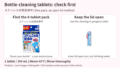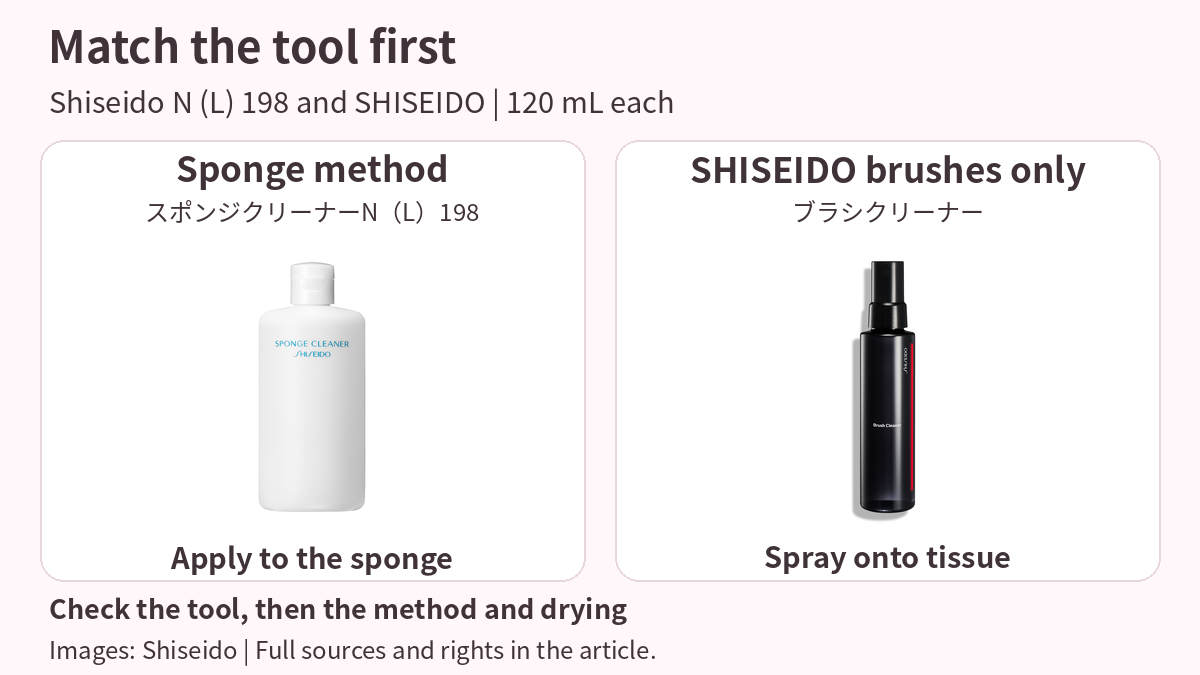
Two bottles, both 120 mL, both called a cleaner—and the useful question is what happens before the liquid touches your tool. One sponge method starts with dry hands and a dry sponge; the SHISEIDO brush cleaner goes onto a folded tissue first. Matching the tool and that first step makes the choice much clearer than comparing bottle size.

I’m Irene, a Taiwan-born pharmacist qualified in Japan.
Japanese official information checked: 25 October 2026. This guide covers Sponge Cleaner N (L) 198 and SHISEIDO Makeup Brush Cleaner, both 120 mL.
- Start with the tool you already own
- Two names to match, then two different starting points
- Sponge Cleaner N: four steps for the sponge route
- SHISEIDO Brush Cleaner: spray the tissue, then wipe
- What if your brush’s instructions mention Sponge Cleaner N?
- Keep the contact precautions with the right bottle
- A useful buying checklist
Start with the tool you already own
Read the care instructions for your exact sponge or brush before choosing a cleaner. SHISEIDO Makeup Brush Cleaner is specifically for SHISEIDO-brand brushes; follow its directions and do not use it for other purposes. A shared company name does not establish compatibility with every brush sold by the company, including 資生堂 ファンデーション ブラシ 131. If your tool’s compatibility is unclear, check with its maker rather than choosing either bottle by default.
The illustrated N route below is for the Shiseido foundation-sponge care method. Other brands and tool shapes need their own care check. These are tool cleaners, not face washes or makeup removers for your skin; Shiseido expressly says never to use Sponge Cleaner N as a facial makeup remover.
Set up for the brush cleaner first: work with good ventilation. It contains denatured alcohol and carries a fire warning: never spray toward flames, and never expose a brush treated with it to hot air from a hairdryer, fan heater or similar appliance.
Avoid getting the brush-cleaner liquid directly on skin. Keep both cleaners out of the reach of infants and young children.
Two names to match, then two different starting points
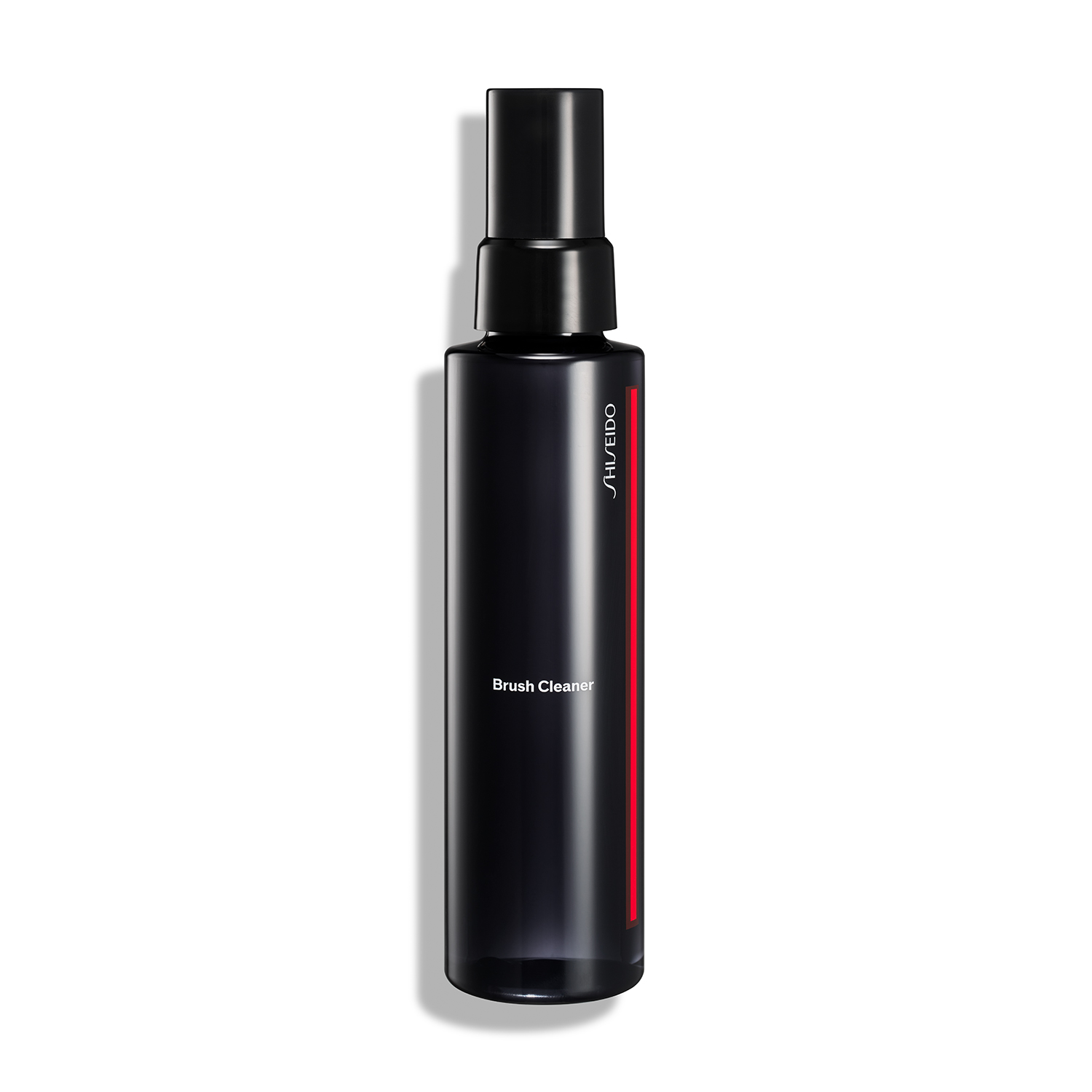
| What to check | スポンジクリーナーN(L)198 | SHISEIDO メーキャップ ブラシクリーナー |
|---|---|---|
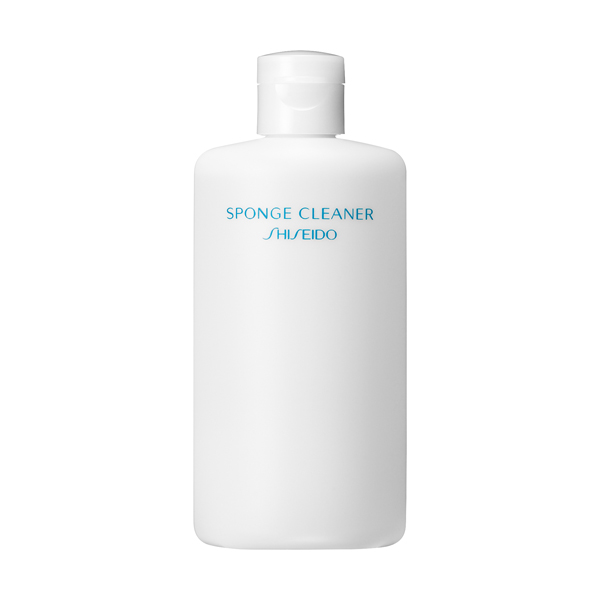
| Bottle covered | 120 mL; white bottle | 120 mL; black pump-cap bottle |
| Tool route in this guide | Shiseido foundation sponge | Compatible SHISEIDO-brand makeup brush |
| Where the cleaner goes | Onto the dirty area of a dry sponge | Onto a folded tissue first |
| How soiling is removed | Gently work in, then rinse thoroughly | Stroke the brush over the tissue and wipe |
| Drying still matters | Fully dry in ventilated shade before use | Dry thoroughly in a ventilated place before putting away; heavy-soil washing is a separate step |
On a narrow screen, swipe the table sideways to read both product columns.
N also appears in Shiseido’s separate brush-washing guidance. That does not make its direct-to-sponge instructions a brush recipe: see the separate brush-care route before using it on a brush. You do not need to buy both cleaners simply because you own makeup tools.
Sponge Cleaner N: four steps for the sponge route
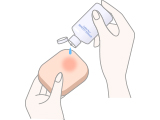
1. Keep hands and sponge dry at the start
Do not wet your hands or the sponge first. Put about 1 mL of N on the dirty area—the maker describes an area about the size of a Japanese 10-yen coin. Adjust the amount to the degree of soiling. This quantity and direct-application method belong to the sponge route, not the brush-cleaner spray method.
2. Work it in gently with your finger pads
Use the pads of your fingers to gently knead the sponge so the cleaner works into the soiling. Do not scrub the surface forcefully.
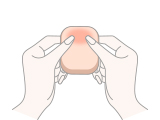
Using a Shiseido cushion-foundation puff instead? Its care page specifies gently stroking the surface with your finger pads. Do not automatically copy the sponge-kneading action; check the instructions for that puff.
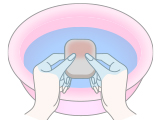
3. Rinse by gently pressing, not by leaving it to soak
Rinse thoroughly with water or lukewarm water while gently pressing, until the rinse water runs clear. Do not soak the sponge or use hot water. The bowl in the illustration shows rinsing, not a soak-and-wait step.
4. Remove water, then let it dry fully
Gently squeeze the sponge while cupping it in your palms, then press it between folds of a dry towel to remove water. Let it dry thoroughly in well-ventilated shade before using it again. Do not dry it in direct sunlight.
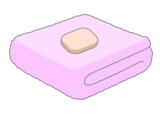
Wash your hands well after using N. If the sponge develops a rough surface or holes, loses its elasticity, feels uncomfortable or gives a poorer makeup finish, Shiseido advises replacing it.
SHISEIDO Brush Cleaner: spray the tissue, then wipe
Use this route only for a compatible SHISEIDO-brand brush. Keep the ventilation and fire precautions above in mind throughout.
- Prepare the pump and tissue. On first use, press the dispenser several times until the contents come out. Fold a tissue to a suitable size.
- Spray onto the tissue. Hold the cleaner about 5–6 cm away from the tissue and apply 3–4 pumps.
- Wipe with gentle strokes. Stroke the brush across the tissue’s surface several times to wipe off soiling; repeat until the tissue no longer picks up soiling.
Before putting the cleaned brush in a case or other storage, let it dry thoroughly in a well-ventilated place. The product’s quick-drying description is not a reason to pack it away while still damp.
For a heavily soiled brush, the product directs a separate wash: dilute a neutral detergent in lukewarm water, gently swish the brush, rinse thoroughly and let it dry completely before use. Check the exact brush’s care instructions as well; the tissue method does not replace this heavy-soil instruction.
What if your brush’s instructions mention Sponge Cleaner N?
Shiseido’s separate makeup-brush care page lists its sponge cleaner among the cleaners used in a diluted water-washing route. That route varies with the makeup residue and includes brush-specific care. Follow the instructions for your exact brush rather than transferring the sponge’s direct application or the spray’s pump count.
The separate guidance warns against soaking, pulling the bristles forcefully, and drying with a hairdryer or direct sunlight. Water-washed brushes must be fully dry before use or storage. For the dilution, handling of the metal part, rinsing, towel-drying and brush-specific drying instructions, read Shiseido’s complete brush-care guide before starting. The Foundation Brush 131 instructions there are not evidence that SHISEIDO Brush Cleaner is suitable for that brush.
Do not replace these directions with a DIY anhydrous-ethanol wash: Shiseido’s FAQ warns that it can damage the quality of tool materials.
Keep the contact precautions with the right bottle
Sponge Cleaner N: eyes, mouth and hands
- In the eyes: immediately rinse with water or lukewarm water. The official FAQ says to consult a doctor if an abnormality remains even after rinsing carefully for 15 minutes or more.
- In the mouth: rinse your mouth with water; consult a doctor if there is irritation.
- Wash hands well after use, and never use N to remove makeup from your face.
SHISEIDO Brush Cleaner: contact, work surface and storage
- Avoid eyes, mouth and direct skin contact. If it enters the eyes or mouth, immediately rinse thoroughly with water or lukewarm water. If eye discomfort remains, consult an ophthalmologist.
- Contact with polished nails may make the polish cloudy. If the liquid lands on a washbasin, mirror, furniture, flooring or similar surface, wipe it off immediately.
- Close the cap properly after use. Do not store in direct sunlight or in extremely hot or cold places.
- Keep out of the reach of infants and young children. Observe the denatured-alcohol fire warning: do not spray toward flames or use hot air from a hairdryer or fan heater on a treated brush.
A useful buying checklist
Before paying, have three answers ready: Which exact tool am I cleaning? Where does this product’s liquid go? How will the tool dry? For the sponge route here, that means dry sponge → cleaner → rinse → shade dry. For a compatible SHISEIDO brush using SHISEIDO Brush Cleaner, it means tissue → spray → wipe → dry before storage. If tool compatibility is still unanswered, resolve that first—the equal 120 mL labels cannot answer it for you.
Official sources and image credits
The two bottle photos come from the respective official product pages; the four sponge drawings come from Shiseido’s sponge-care guide. Images © Shiseido or their respective rights holders. Source attribution does not imply permission or endorsement.
- Shiseido: Sponge Cleaner N (L) 198—identity, use and cautions
- SHISEIDO Makeup Brush Cleaner—identity, use and all product cautions
- Shiseido: sponge, puff and tip care—steps, drawings and material precautions
- Shiseido: makeup-brush care—the separate water-washing route
- Shiseido FAQ 134—N contact precautions, no facial makeup-remover use and ethanol warning