Choose Block for 100-kcal bars you can portion, Jelly for a spouted pouch, or Liquid for a drink providing 200 kcal and 10 g protein per can. The easy-to-miss difference: four bars contain 400 kcal, while one jelly pouch or one can contains 200 kcal. The “half a day’s vitamins” statement does not apply to a single bar.

I’m Irene, a Taiwan-born, Japan-licensed pharmacist working in a Japanese drugstore. For a portable travel snack, the useful questions are how much you want to eat, which format you prefer and which ingredients you need to avoid. Comparing three named flavours keeps those choices clear.
Information checked on 13 October 2026. The examples are Japanese CalorieMate Block Cheese, four bars; Jelly Apple, 215 g; and Liquid Café au lait, 200 ml. The Jelly example uses the range renewed in March 2026. Other flavours, two-bar packs, older packs and Long Life products have their own labels.
Start with the format you prefer
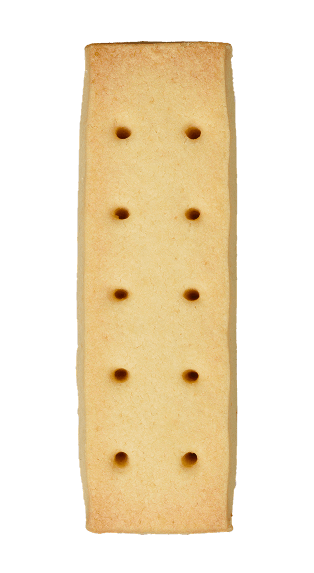
- Want bars in your bag that you can count out? Look at Block. Each bar is 100 kcal, so a four-bar box provides 400 kcal; two-bar packs also exist. It needs chewing. Fit the number of bars around your other food rather than treating a whole box as a compulsory serving.
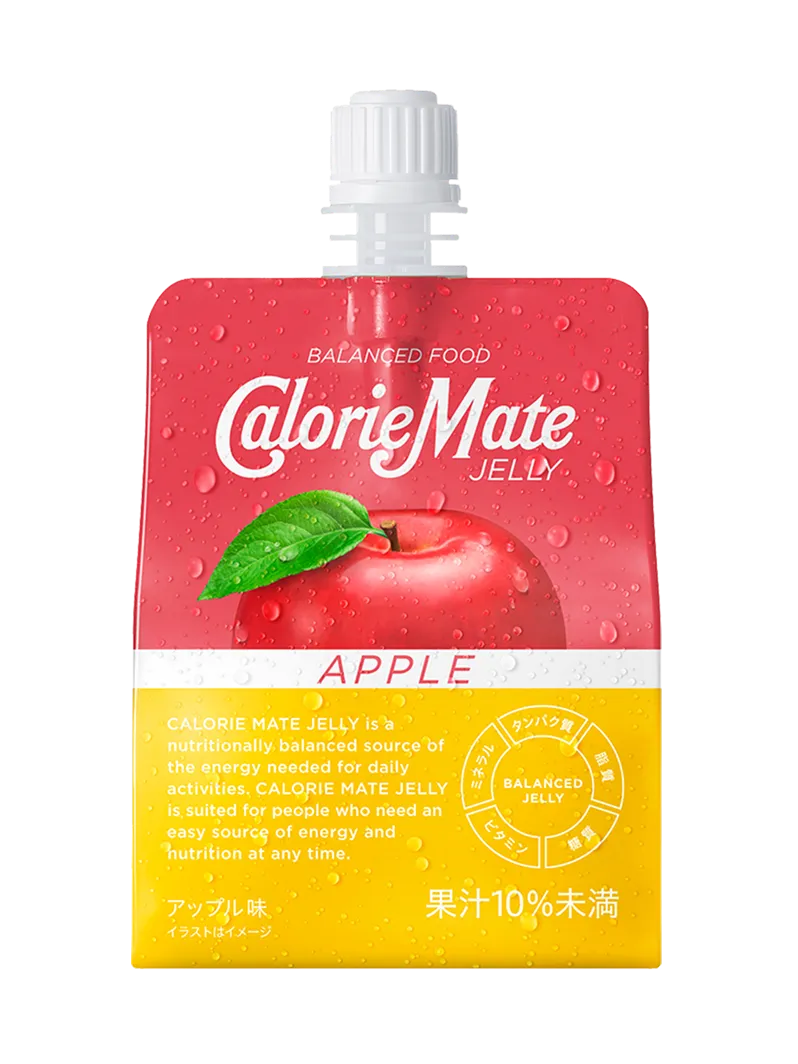
- Prefer a spouted pouch and jelly texture? Look at Jelly. One 215-g Apple pouch provides 200 kcal and 8.2 g protein. Its vitamin profile differs from Block and Liquid, particularly for vitamin C.
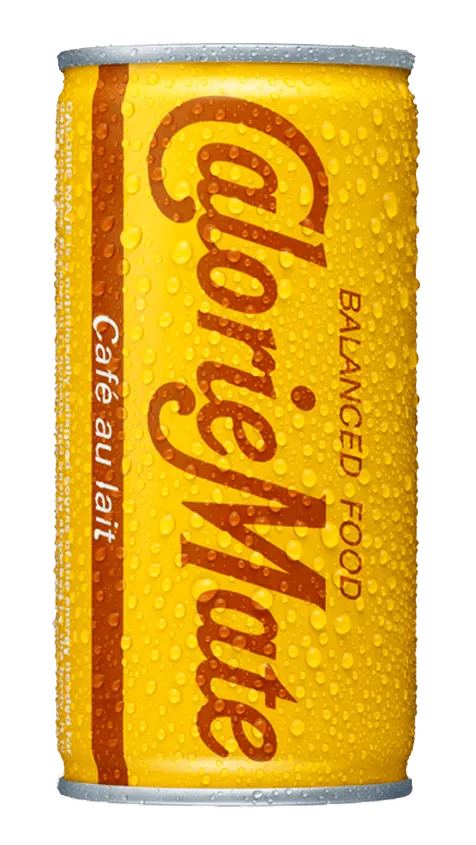
- Prefer a drink and want to compare protein content? Look at Liquid. One 200-ml Café au lait can provides 200 kcal and 10 g protein. It contains milk, soy, gelatin and coffee; it is food energy in a can, not a calorie-free drink.
If an ordinary meal or snack already meets the need, an extra purchase is unnecessary. These formats can supplement your diet, but eating them does not itself produce weight loss, and they should not become your only food for the day.
Match the complete name and pack size
Check the portion before comparing nutrition
The table compares four Cheese bars (80 g), one Apple jelly pouch (215 g), and one Café au lait can (200 ml). These are label portions, not fixed daily recommendations or calorie-matched portions.
| Exact product | Portion in this table | Calories | Protein | Fat | Carbohydrate |
|---|---|---|---|---|---|
| Block Cheese | 4 bars / 80 g | 400 kcal | 8.4 g | 22.2 g | 42.7 g |
| Jelly Apple | 1 pouch / 215 g | 200 kcal | 8.2 g | 4.4 g | 33.2 g |
| Liquid Café au lait | 1 can / 200 ml | 200 kcal | 10 g | 4.4 g | 31.1 g |
At an equal 200 kcal, Cheese Block means two bars and 4.2 g protein, compared with 8.2 g in the Apple jelly pouch and 10 g in the Café au lait can. That does not establish a universal winner; equal calories do not mean equal protein, fat or eating experience.
Otsuka describes CalorieMate as a balanced nutritional food. Its product designations distinguish solid, jelly and liquid nutritional foods. “Balanced Food” is a food description, not a medicine approval or proof that each portion meets every requirement for a meal or a day.
Two catches in “half a day’s vitamins”
The basis remains four Cheese bars, one Apple jelly pouch or one Café au lait can. “About half a day” refers to Japanese nutrient labelling reference values, not an individual assessment of your requirements.
| Exact product and portion | Vitamins covered by the half-day statement | Listed vitamin C |
|---|---|---|
| 4 Cheese bars | 11 vitamins | 50 mg |
| 1 Apple jelly pouch | 10 vitamins, excluding C | Not listed in this nutrition panel |
| 1 Café au lait can | 11 vitamins | 50 mg |
First, Block’s reference portion is four bars, not one bar or a two-bar pack. Second, Jelly’s statement excludes vitamin C. The ten shared vitamins are A, B1, B2, B6, B12, D, E, niacin, pantothenic acid and folate. Do not interpret the claim as covering all 13 vitamins.
Two Cheese bars are also 200 kcal, but they do not provide the same vitamin amounts as the 200-kcal pouch or can. Consider other fortified foods and multivitamins you use; you do not need all three formats to assemble “a day’s worth”.
A different flavour needs another allergen check
| Exact example | Main ingredients to recognise | Manufacturer-listed allergens |
|---|---|---|
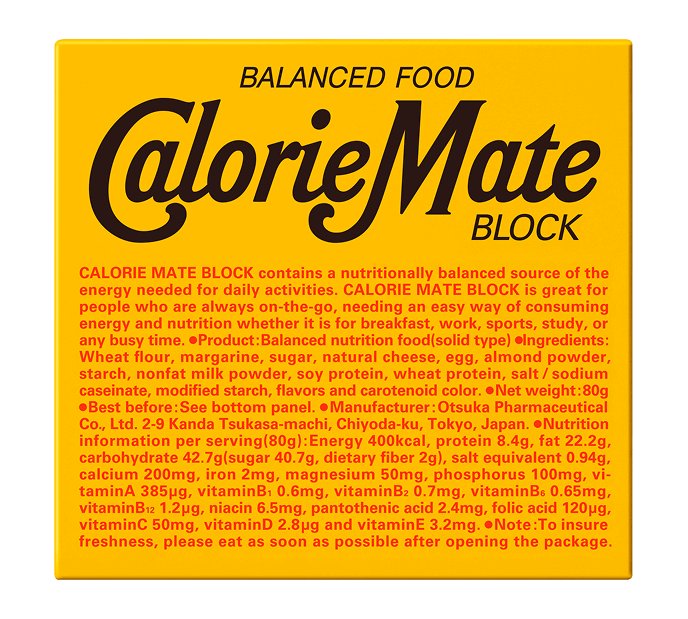
| Block Cheese | Wheat flour, margarine, cheese, egg, almond powder and others | Milk, wheat, egg, almond, soy |
| Jelly Apple | Sugar, apple juice, dairy lactic-acid drink, whey protein, gelatin and others | Milk, apple, gelatin |
| Liquid Café au lait | Dextrin, milk protein, vegetable oil, gelatin, coffee and others | Milk, soy, gelatin |
All three examples contain milk. The jelly and liquid also contain gelatin, so a fruity flavour or liquid format does not imply a vegan food. Other flavours can have different ingredients and nutrient values; match the full name rather than the brand alone.
Café au lait contains coffee. Otsuka’s product database separately gives an analysed caffeine value of 8 mg per can. If you need to avoid caffeine, do not treat this example as caffeine-free; check the actual pack and current information.
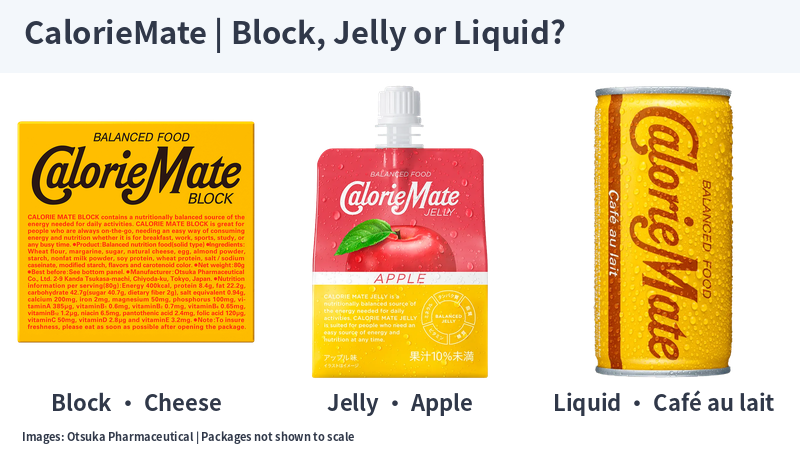
What do the three formats look like?


How much per day? Fit it around your food
CalorieMate is food; this guide cannot prescribe a universal number of boxes per day. Otsuka explicitly advises against obtaining all of a day’s nutrition from CalorieMate alone. Regular, balanced meals remain the foundation, with these foods used as a supplement to meals.
- Decide the portion, then check whether the label is per bar, two bars, four bars, pouch or can.
- Check the exact flavour, allergens and your other food. Follow your care team’s advice if you have a medically restricted diet.
- Consume promptly after opening and follow the pack’s storage and best-before information. A screw cap does not mean an opened pouch can sit indefinitely at room temperature.
For a day out, choose a format you can carry and dispose of responsibly. Dry bars do not replace drinking water, and the jelly or can is not an electrolyte-replacement plan. These examples are not presented as heat-illness prevention or specialist foods for swallowing difficulties.
My order is format, portion, nutrition and allergens, then price. Block suits counted bars, Jelly a pouch, and Liquid a drink. Remember four bars equal 400 kcal, a pouch or can 200 kcal, and Jelly’s vitamin-C exception: those distinctions prevent the most misleading comparisons.