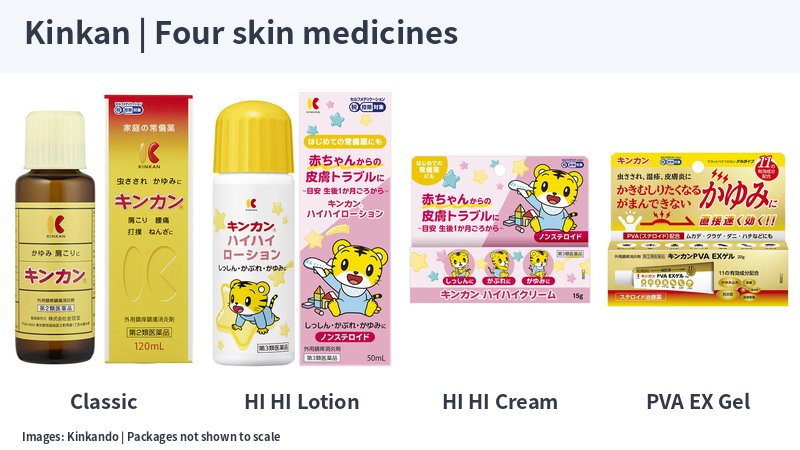
The familiar amber Kinkan bottle, the pink HI HI children's packs and the yellow PVA EX gel are different medicines. Classic Kinkan has labelled uses for insect bites and some muscle pain; HI HI is a non-steroid skin-treatment range; PVA EX gel contains a steroid. Start with the symptom and person, not the brand name alone.

I'm Irene, a Taiwan-born, Japan-licensed pharmacist working in a Japanese drugstore. For this shelf, my first check is whether the skin is intact and what caused the itch. A cute children's package or a strong cooling sensation cannot answer those questions for us.
Japanese-market information checked: 13 October 2026. This is a selected comparison of classic Kinkan, HI HI Lotion, HI HI Cream and PVA EX Gel. Other Kinkan products, including PVA EX Liquid, have their own directions.
Which package answers which need?
| Product name, Japanese shelf name and pack | Main distinction | Important boundary |
|---|---|---|
| Classic Kinkan liquid(キンカン); 120 mL shown | Non-steroid liquid for labelled bite/itch, shoulder stiffness, lower-back pain, bruises and sprains | Do not apply to contact dermatitis or wounds. Infants, young children and very sensitive skin need advice first. |
| Kinkan HI HI Lotion(キンカンハイハイローション), 50 mL | Non-steroid, menthol-free and ethanol-free liquid with a sponge applicator | Manufacturer guidance is approximately one month after birth; this is not permission to self-treat every infant rash. |
| Kinkan HI HI Cream(キンカンハイハイクリーム), 15 g | Non-steroid cream; a different formula from HI HI Lotion | Same approximate one-month guidance. Severe weeping or erosion needs consultation before use. |
| Kinkan PVA EX Gel(キンカンPVA EXゲル), 20 g | Steroid-containing gel for labelled inflammatory skin symptoms, including itch and insect bites | Not for fungal infection, chickenpox, pus-producing lesions, wounds, the eye area or mucous membranes. |
All four are external medicines, with directions to apply an appropriate amount to the affected area several times daily. The labels do not turn this into one universal gram amount or fixed hourly schedule. Children must be supervised; use the exact product's directions and precautions.
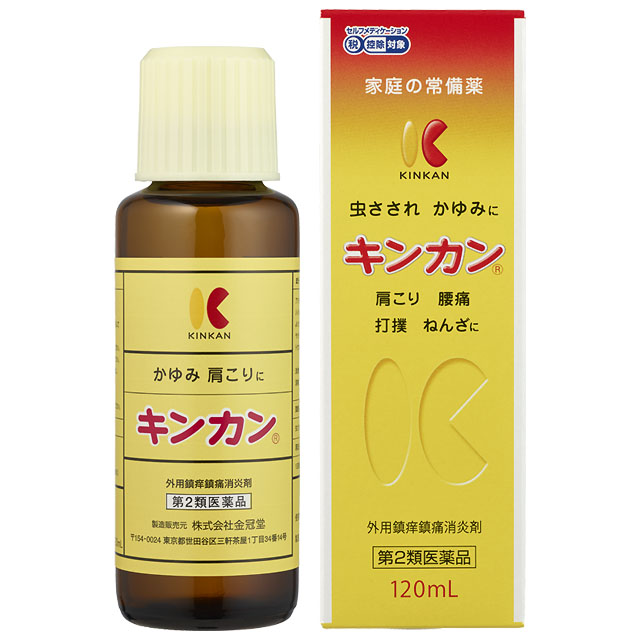
Classic Kinkan: the sponge bottle has its own rules
Classic Kinkan contains ammonia solution, l-menthol, d-camphor, salicylic acid and capsicum tincture; ethanol is a solvent. It is a Class 2 OTC medicine. It is not the same formula as HI HI, and its label specifically excludes contact dermatitis, wounds, the eye area and mucous membranes. Ask before use for infants, young children, particularly sensitive skin, severe weeping/erosion, current medical treatment or a history of medicine allergy.
- Before use, hold the bottle upright and press the centre of the sponge several times to release air and help prevent excess liquid flowing out.
- Make sure the affected skin is clean, without dirt, cosmetics or other medicine on it.
- Press the sponge gently against the skin to wet it with the liquid.
- Follow the manufacturer's apply-and-dry method, allowing it to dry thoroughly between applications. Do not cover with clothing or gauze until the liquid is completely dry.
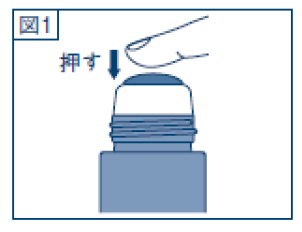
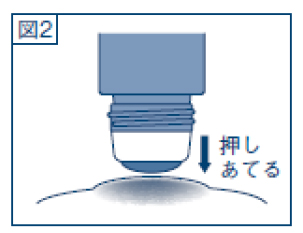
Wipe a dirty sponge gently to prevent clogging. Do not soak gauze in Kinkan and leave it on the skin: the leaflet warns of irritation. Keep the bottle closed and upright, away from flame, direct sunlight and a hot car. These handling steps belong to classic Kinkan; do not assume every Kinkan bottle uses the identical routine.
HI HI Lotion or Cream: texture is not the only difference
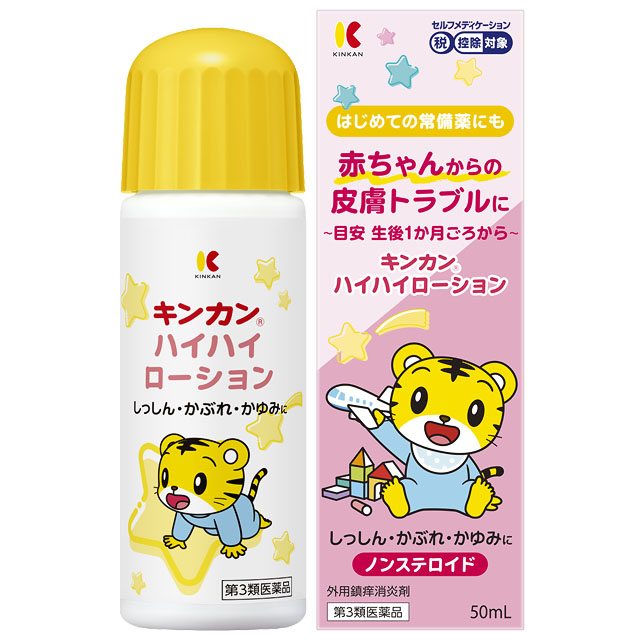
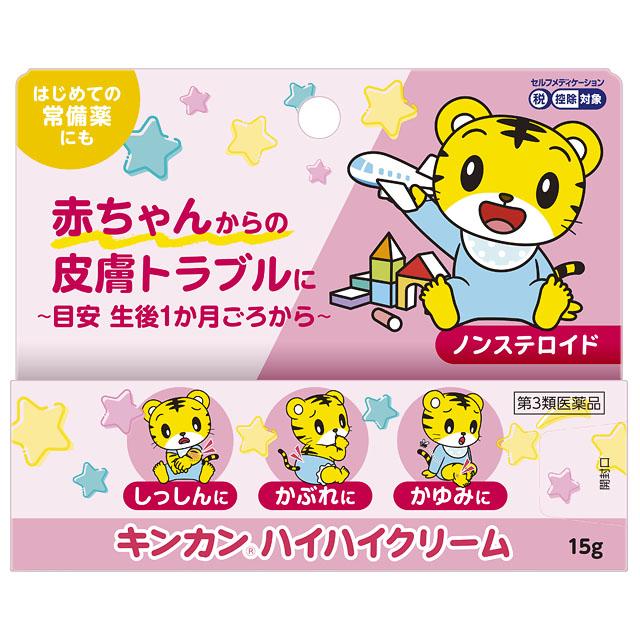
Both HI HI products are Class 3 non-steroid medicines with diphenhydramine hydrochloride, dipotassium glycyrrhizinate and allantoin. Lotion also contains panthenol; Cream instead adds isopropyl methylphenol and tocopherol acetate. The antibacterial ingredient in Cream does not make it a treatment to choose for a pus-filled rash without assessment.
Lotion is a practical option if you prefer a sponge applicator rather than spreading cream with a finger. Its leaflet explicitly states no ethanol or menthol, and no fragrance or colouring. Cream offers a spread-on format. Both have labelled uses including eczema, dermatitis, heat rash, itching and insect bites; neither needs to be applied routinely to healthy skin as a preventive moisturiser.
The manufacturer gives approximately one month after birth as a guide for both HI HI products, not a guarantee that every newborn rash is suitable for self-care. For a baby, uncertain symptoms or a widespread rash, ask a pharmacist or doctor first. The labels require consultation for severe weeping/erosion, current medical treatment or a history of medicine allergy. Keep the medicine out of eyes and mouths, and supervise children.
PVA EX Gel: recognise the steroid boundary
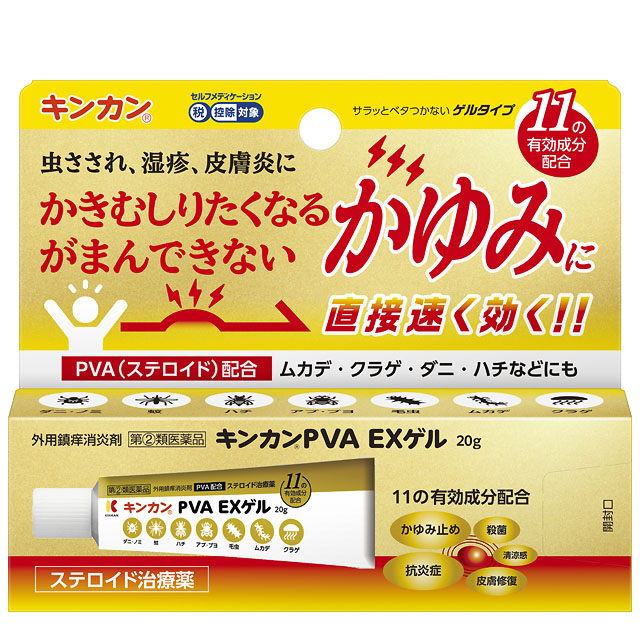
PVA means prednisolone valerate acetate. This designated Class 2 gel contains PVA 0.15 g per 100 g of gel, plus ten other active ingredients: diphenhydramine hydrochloride, crotamiton, glycyrrhetinic acid, glycol salicylate, allantoin, isopropyl methylphenol, dibucaine hydrochloride, dl-camphor, l-menthol and tocopherol acetate. It is a different choice from the non-steroid products, not simply a cooler version of classic Kinkan.
Do not use PVA EX Gel on chickenpox, athlete's foot/ringworm or pus-producing lesions, wounds, around the eyes or on mucous membranes. Do not use it over a large area of the face, continue it long term, or cover the treated area with plastic wrap or other poorly ventilated coverings. Ask first during pregnancy or suspected pregnancy, medical treatment, a medicine-allergy history, extensive symptoms or severe weeping/erosion. The HI HI infant-age guidance does not apply to this gel.
Keep all four medicines closed in their original containers, in a cool place away from direct sunlight and out of children's reach. Use promptly after opening and do not use past the printed expiry. PVA EX Gel must also be kept away from heat and flame.
When to stop shopping and get help
For each of these four medicines, stop and consult if there is no improvement after five or six days. Stop sooner if a new rash, swelling, irritation or other suspected adverse effect appears. Do not wait out that period when symptoms are severe, spreading or the cause is uncertain.
After an insect sting, breathing difficulty, swollen lips or tongue, faintness, or sudden hives away from the sting site calls for urgent help, not another topical medicine. In Japan, call 119 for an ambulance.
My shelf shortcut: classic Kinkan for its specific labelled uses on suitable intact skin; HI HI when its non-steroid formula and applicator fit the person; PVA EX Gel only when a steroid-containing skin medicine is appropriate. If you cannot identify the rash confidently, getting it checked is more useful than choosing the strongest-looking package.
Official Japanese sources
- Kinkando: Classic Kinkan product information · Japanese leaflet.
- Kinkando: HI HI Lotion · Lotion leaflet · HI HI Cream · Cream leaflet.
- Kinkando: PVA EX Gel · Gel leaflet · March 2024 PVA package update · HI HI age guidance.
- Kawasaki City official emergency guide (Japanese): Bite-and-sting warning signs · Call 119 for red-category emergencies.
This comparison helps identify Japanese OTC medicines and does not diagnose a skin condition. Check the leaflet supplied with your product and seek individual advice when needed.